


Why Choose Homegenix Home Inspections for Your Older Home Inspection

Older homes have character that newer houses often cannot match. Original hardwood floors, thick trim, plaster walls, mature trees, and quiet neighborhoods all carry real appeal. They can also hide years of repairs, upgrades, shortcuts, and aging materials behind the charm.
That is why the inspection matters so much.
A home built decades ago may have strong bones, but it may also have outdated wiring, tired plumbing, foundation movement, moisture concerns, or past work that was never done quite right. A standard glance is not enough. An older home needs an inspector who knows what to look for, how systems age, and how to explain the difference between a normal quirk and a costly concern.
That is where Homegenix Home Inspections stands out. The goal is not to scare buyers away from older homes. The goal is to help make a confident decision with clear information.

Older homes need a different kind of inspection
A newer home usually has modern building methods, newer materials, and systems that were installed under fairly recent codes. Older homes tell a different story. They may have been built well, then changed many times over the years.
A kitchen may have been remodeled in the 1990s. The electrical panel may have been upgraded later. A bathroom may have new tile over much older framing. The roof may look fine from the street, while the attic tells another story.
That layered history is exactly why older homes require a careful, methodical approach.
Homegenix Home Inspections looks at the home as a connected set of systems, not as a checklist of isolated parts. A crack in a wall might relate to normal settling, but it might also connect to foundation movement, moisture, or structural changes. Staining near a ceiling may be old damage, or it may point to an active roof leak. A sloped floor may be common in an older house, but it still deserves proper context.
With an older home, small clues matter.
A strong inspection helps answer questions like:
Has the electrical system kept up with modern use?
Are plumbing materials near the end of their useful life?
Is attic ventilation helping or hurting the roof?
Does the foundation show signs of movement or moisture?
Were past renovations completed safely?
Are there safety issues that should be handled soon?
The best inspection does more than point out defects. It explains what those findings mean.
Homegenix knows charm should not hide risk
Older homes often sell because of emotion. A buyer walks in and sees the staircase, the fireplace, the original doors, or the built-ins. Those details matter. They are part of the reason the home has value.
Still, charm can make it easy to overlook warning signs.
A beautiful older home can have a roof at the end of its service life. A freshly painted basement can still have moisture intrusion. A cozy finished attic can have poor insulation, unsafe wiring, or limited ventilation. Even thoughtful renovations may cover older systems that need attention.
Homegenix brings a practical eye to that mix of beauty and risk. The inspection is designed to help separate cosmetic issues from concerns that can affect safety, comfort, insurance, maintenance, and long-term cost.
That balance matters. Not every old feature is a defect. Not every crack is a disaster. Not every outdated item needs to be replaced right away. A good older home inspection gives perspective.
For example, an inspector may explain that:
A slightly uneven floor may be common in a house of that age, but should be monitored if nearby cracks or foundation signs appear.
Older galvanized plumbing may still function, but could have reduced flow or corrosion concerns.
A two-prong outlet may indicate older wiring that does not meet modern expectations for grounded circuits.
Old water staining in an attic should be checked for active moisture before assuming it is only history.
This kind of explanation helps buyers avoid two common mistakes: ignoring real issues or overreacting to normal aging.

The inspection focuses on the systems that matter most
An older home inspection should give special attention to the systems that carry the highest safety and repair concerns. Homegenix takes time with the major areas that often matter most in older properties.
Electrical systems need careful attention
Older homes may have a mix of original wiring, partial upgrades, added circuits, and homeowner repairs. Some houses still have outdated panels, ungrounded outlets, open junction boxes, overloaded circuits, or wiring methods that are no longer considered safe by modern standards.
A clear inspection can help identify visible concerns and recommend when further evaluation by a licensed electrician is appropriate.
This matters because today’s homes use far more electricity than homes built decades ago. Computers, chargers, appliances, HVAC equipment, and kitchen devices all add demand. The inspection helps show whether the visible system appears safe and serviceable, or whether upgrades should be discussed.
Plumbing can reveal age in subtle ways
Plumbing problems are not always dramatic. Sometimes the signs are slow drains, low water pressure, corrosion, staining, or patched repair areas.
Older homes may contain supply or drain materials that have aged past their prime. Some systems may still work, but show signs that replacement or repair could be needed soon. Homegenix looks for visible leaks, corrosion, drainage issues, water heater concerns, and signs of past water damage.
A good inspection also helps buyers understand maintenance. A plumbing issue that seems minor during a showing can become a large repair if ignored.
Roofs and attics tell the story above the ceiling
The roof protects the entire home. In older houses, roof issues can show up in the attic before they are obvious inside the living space.
Homegenix reviews visible roofing components, attic framing, ventilation, insulation, staining, moisture signs, and other accessible areas. The attic can reveal leaks, poor ventilation, damaged sheathing, pest evidence, or older repairs.
This is one of the most important parts of the inspection because roof and attic concerns can affect energy use, interior finishes, and structural components.
Foundations and basements deserve patience
Many older homes have basements, crawl spaces, stone foundations, brick piers, concrete block, or poured concrete walls. Each type has its own signs of age and movement.
Some cracking and settling may be expected. Ongoing water intrusion, structural displacement, deteriorated masonry, or poor drainage can be more serious.
Homegenix pays close attention to these areas because foundation and moisture concerns can affect the entire home. The inspection can help buyers understand whether visible signs appear minor, need monitoring, or call for a specialist.

Clear reporting makes the findings easier to use
A home inspection report should not feel like a confusing list of problems. It should help a buyer understand the house.
That is especially important with older homes, where findings can vary in urgency. Some items may be safety concerns. Some may be routine maintenance. Some may be signs to watch. Some may call for a contractor’s estimate before closing.
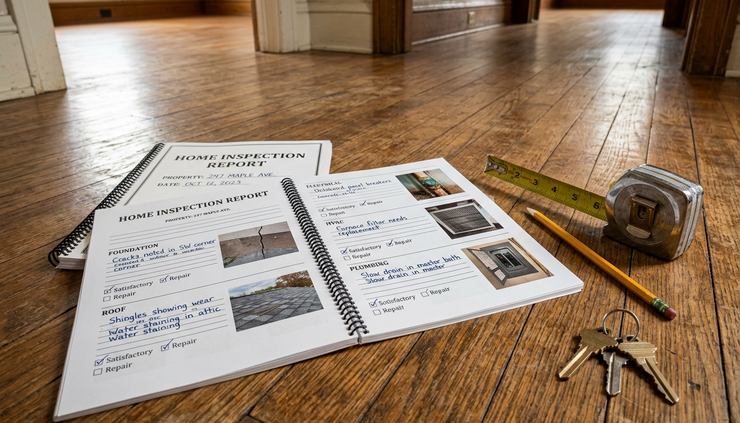
Homegenix focuses on clear communication so the report is useful after the inspection ends. A strong report should help answer:
What was found?
Where was it found?
Why does it matter?
What should happen next?
Is this urgent, or is it a maintenance item?
Photos can make a major difference. When a report shows the actual issue, buyers can discuss it more easily with agents, sellers, contractors, or family members. Clear wording also helps reduce stress. A buyer should not have to decode vague language while making a major decision.
The best outcome is not a perfect report. Older homes rarely have perfect reports. The best outcome is a report that gives a clear picture of the home’s condition so decisions can be based on facts.
Homegenix helps buyers plan beyond closing day
An older home inspection is not only about the purchase. It also helps create a practical plan for ownership.
Many buyers want to know what needs attention right away and what can wait. The inspection helps sort those priorities. That can be useful during negotiations, but it is also valuable after moving in.
A Homegenix inspection can help build a realistic maintenance outlook around items such as:
Roof condition and drainage
Electrical safety concerns
Plumbing updates
Heating and cooling equipment
Attic insulation and ventilation
Exterior grading and water control
Window and door performance
Basement or crawl space moisture
Decks, porches, stairs, and railings
This kind of information helps reduce surprises. A buyer may decide to handle safety repairs first, then plan for comfort upgrades, energy improvements, or cosmetic work later.
Older homes reward owners who stay ahead of maintenance. A clear inspection gives a strong starting point.
The right inspector protects both confidence and budget
Buying an older home often comes with tradeoffs. A house may need updates, but still be a wise purchase. Another may look polished, but have hidden issues that change the budget.
The inspection helps test the story the home appears to tell.
For example, a recently renovated older house may look move-in ready. The inspection can help verify whether visible systems and components support that impression. On the other hand, a dated home may look tired, but have a solid structure, dry basement, newer roof, and well-maintained mechanical systems.
Appearances do not always match condition.
Homegenix helps bring the real condition into focus. That supports better decisions, whether the next step is moving forward, asking for repairs, getting specialist quotes, or walking away.
A strong inspection can also help reduce emotional pressure. Real estate moves quickly in many markets. Buyers may feel rushed. Clear findings give the process more structure.
Older homes often need extra context
One reason to choose Homegenix is the ability to provide context. Older houses should not be judged exactly like new construction, but they should not get a free pass either.
A 100-year-old home may have plaster cracks, uneven floors, old windows, and quirks. Some of those may be expected. The key is knowing when a quirk points to a deeper issue.
Context helps in several ways:
Normal aging
Repair concerns
Upgrade planning
Safety priorities
Minor wear, cosmetic cracks, older finishes, and dated materials may be expected in many older homes.
Active leaks, unsafe wiring, damaged structural elements, and poor drainage should receive closer attention.
Aging systems may still function, but buyers can plan for future improvements before they become emergencies.
Missing railings, electrical hazards, improper venting, and trip hazards can affect daily use right away.
This is where experience and communication matter. The inspection should not turn every observation into alarm. It should help rank concerns in a useful way.
Homegenix supports smarter conversations after the inspection
The inspection often becomes the foundation for several key conversations. Buyers may speak with their real estate agent, lender, insurance provider, contractors, or the seller. A clear report makes those conversations more productive.
Instead of saying, “Something looked wrong in the basement,” a buyer can point to a specific finding. Instead of guessing whether a roof concern is serious, the report can explain what was visible and what follow-up may be needed.
This matters even more with older homes because one finding can affect several decisions. A moisture issue may lead to questions about grading, gutters, basement finishes, and mold risk. An electrical concern may affect safety repairs, insurance questions, and renovation plans.
Homegenix helps by making the information easier to understand and easier to act on.
The value is in knowing what you are buying
No inspection can predict every future repair. No inspector can see through walls or guarantee that a home will never have problems. What a strong inspection can do is reduce the unknowns.
That is valuable with any house. With an older home, it is essential.
Choosing Homegenix Home Inspections for your older home inspection means choosing a careful review of the systems, structure, safety concerns, and maintenance clues that matter most. It means getting information in plain language, with practical next steps. It means respecting the character of an older home while still taking its risks seriously.
An older home can be a wonderful investment, a comfortable place to live, and a piece of local history. The right inspection helps make sure the charm comes with clarity.

When the house has decades of history, the inspection should do more than check boxes. It should tell the story of the home clearly enough to guide the next decision. That is the reason to choose Homegenix.
Call David at Homegenix home Inspections LLC today!
727-282-4047


Comments