


How a Small Roof Leak Can Turn Into a Costly Home Inspection Surprise

A roof leak does not need to be dramatic to cause trouble. It can start as one lifted shingle, one cracked boot around a vent pipe, or one nail hole near flashing. No water pours through the ceiling. No bucket sits in the hallway. The house looks fine.
Then the home inspection happens.
What looked like a small stain, a little attic dampness, or a soft spot near the roofline can turn into a larger concern. The inspector may find wet insulation, darkened roof decking, damaged drywall, mold-like growth, or evidence that the leak has been active for months. At that point, the issue is no longer just a roof repair. It becomes a negotiation problem, a safety concern, and sometimes a deal-threatening surprise.
That is why small roof leaks deserve attention before they become inspection-day discoveries.
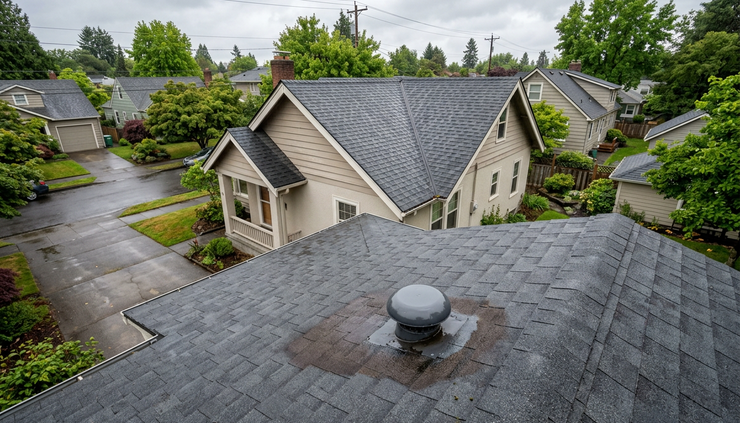
A tiny opening can let in a surprising amount of water
A roof is not one flat shield. It is a layered system made of shingles or other roof covering, underlayment, flashing, vents, fasteners, valleys, decking, insulation, and attic ventilation. These parts need to work together.
A small failure in one area can let water pass the outer layer. Once water gets in, gravity and framing decide where it goes. It may run down a rafter, soak into insulation, collect on the backside of drywall, or travel several feet from the actual leak point.
That is why the visible stain inside the home is often not directly under the roof problem. A ceiling mark in a bedroom may start at a plumbing vent boot higher up the slope. A damp wall near a window may come from step flashing where a roof meets siding. A small drip in the garage may begin at a valley or chimney flashing.
Common small roof leak sources include:
Cracked rubber boots around plumbing vents
Loose or missing shingles
Exposed nail heads
Rusted or separated flashing
Clogged roof valleys
Damaged sealant around vents or skylights
Poorly installed satellite dish brackets or old roof penetrations
Ice dam damage in colder regions
Wind-driven rain entering under lifted shingles
Many of these problems do not look urgent from the ground. Some are not visible at all without roof access or attic access. That gives leaks time to work quietly.
Water damage rarely stays in one category
The expensive part of a roof leak is often not the roof. A small roof repair may be fairly simple if caught early. The real cost grows when water affects other parts of the home.
Once moisture enters the structure, it can touch several systems at once.
Roof decking can soften.
The decking, often plywood or oriented strand board, sits beneath the roof covering. If it stays wet, it can swell, delaminate, or lose strength. A roof repair that once involved a few shingles may grow into decking replacement.
Insulation can lose performance.
Wet insulation does not work the way dry insulation does. It can hold moisture against wood and drywall. In attics, soaked insulation may need removal and replacement, especially if it has been contaminated or compressed.
Drywall can stain, sag, or crumble.
A small ceiling stain may be cosmetic, but repeated wetting can weaken drywall. Paint may bubble. Texture may separate. In more advanced cases, the ceiling may feel soft or show cracking around the stained area.
Electrical components may be affected.
Water near light fixtures, junction boxes, or wiring raises safety concerns. An inspector may recommend further evaluation if moisture appears near electrical components.
Microbial growth can appear.
Mold-like growth often shows up where moisture and organic material meet. Attics are a common place for this because roof decking, framing, and insulation can trap damp air. Not every dark stain is mold, but inspectors take visible growth seriously and may recommend specialized evaluation.

Why home inspectors flag roof leaks so carefully
A home inspection is visual and noninvasive. Inspectors do not tear open walls or remove roofing. They look for signs that suggest current or past problems. When it comes to roof leaks, they know that a small clue can point to hidden damage.
During a typical inspection, the inspector may check:
Roof covering condition
Flashing around chimneys, walls, vents, and skylights
Gutters and drainage
Attic framing and sheathing
Insulation condition
Ceiling and wall stains
Moisture readings in suspect areas
Ventilation and condensation concerns
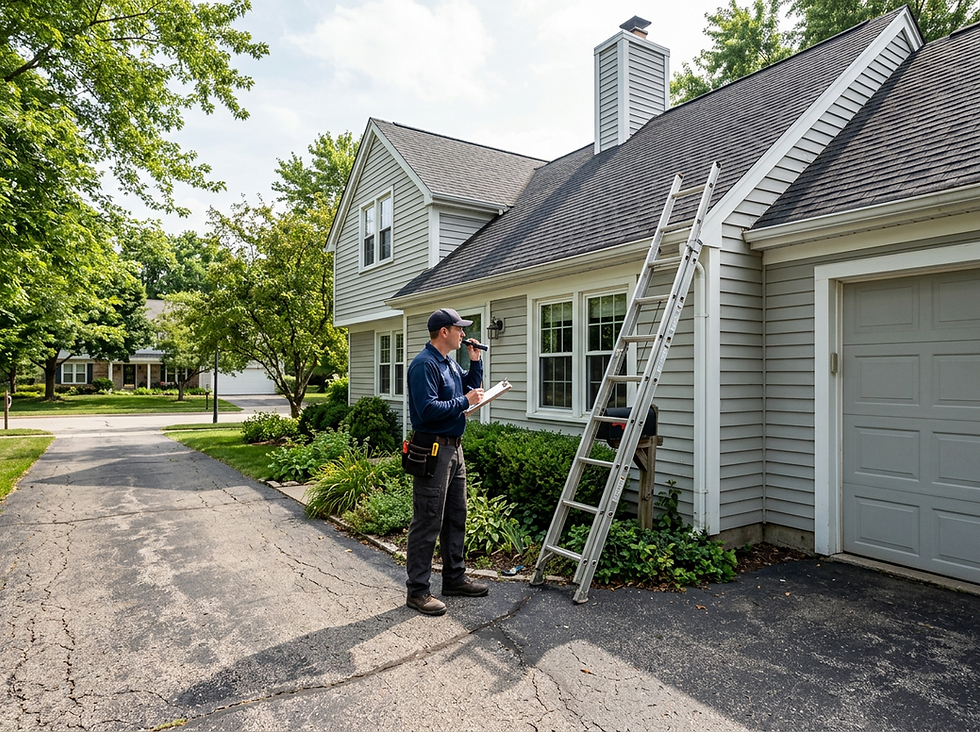
Not every inspector walks every roof. Roof pitch, weather, height, material, and safety conditions matter. Some use binoculars, drones, ladders, or camera poles. In the attic, they may use a flashlight, moisture meter, or thermal imaging camera if conditions support it.
A leak gets attention because it can point to both a present defect and a future risk. Inspectors often use careful wording. They may write that there is evidence of past or present leakage, visible staining, damaged sheathing, or moisture intrusion. They may recommend repair by a qualified roofing contractor and further evaluation of affected materials.
That language can change the mood of a real estate transaction quickly.
For buyers, the concern is uncertainty. Is this a one-time leak that was repaired years ago, or is it active? Is the decking sound? Does insulation need replacement? Has the leak reached hidden wall cavities?
For sellers, the concern is timing. A problem that could have been handled before listing now has to be handled under contract, often with deadlines, buyer requests, and lender or insurance questions.
How a small leak becomes a large negotiation problem
A leak found during a home inspection does not always kill a deal. Many roof issues are repairable. The problem is that roof leaks create doubt, and doubt can be expensive.
A buyer may ask for:
A licensed roofer to evaluate the roof
Documentation of repairs
Replacement of damaged decking or insulation
Mold assessment or remediation if growth is visible
A seller credit
A larger repair escrow where allowed
A price reduction
Roof replacement if the roof is near the end of its service life
The final request depends on the severity, the market, the purchase agreement, and the comfort level of the buyer. A small leak may be simple, but it can raise bigger questions if the roof is old or poorly maintained.
Here is how a minor roof issue can grow once an inspection brings it to light:
What is visible | What it may suggest | Why it matters |
Small ceiling stain | Past or active roof leak | The source may still be open |
Dark attic sheathing | Chronic moisture or repeated wetting | Wood condition may need evaluation |
Wet insulation | Active leak or condensation issue | Insulation may need removal |
Soft roof decking | Long-term moisture exposure | Roof repair becomes more involved |
Stained chimney area | Flashing failure | Repairs may require both roofing and masonry work |
Mold-like growth | Excess moisture and poor drying | Specialized assessment may be requested |
The issue can also affect insurance conversations. Some damage caused by sudden events may be handled differently from long-term deferred maintenance. Policy terms vary, so homeowners should avoid assuming coverage and contact their insurance professional when appropriate.
The attic often tells the real story
Many roof leaks are easier to understand from inside the attic than from the roof surface. The attic shows what water has touched after it passed through the roof system.
A dry attic with clean sheathing and no staining can be reassuring. A damp attic with dark trails, rusted nail tips, wet insulation, or musty odors tells a different story.
Signs that deserve attention include:
Dark streaks on the underside of roof decking
White, black, or greenish growth on wood
Rusted roofing nails poking through the decking
Matted or discolored insulation
Daylight visible through roof penetrations
Water stains on rafters or trusses
Damp smells after rain
Bathroom fans venting into the attic instead of outside
One important point is that not all attic moisture comes from a roof leak. Poor ventilation, bathroom exhaust fans, humidifiers, and air leaks from the living space can also create condensation. In cold climates, frost can form on roof sheathing and later melt, looking like a roof leak.
That distinction matters. A roofing contractor may fix shingles and flashing. An insulation or ventilation contractor may address air sealing and venting. Sometimes both issues exist at the same time.
A good inspection report does not always provide the final diagnosis. It should point to the concern and recommend the right follow-up.

Small leaks are often missed before listing
Homeowners get used to their houses. A faint stain becomes part of the ceiling. A slightly musty attic seems normal. A missing shingle on the back roof slope goes unseen. If no water is dripping during daily life, the issue rarely feels urgent.
That changes when a trained inspector looks at the property with fresh eyes.
Before listing a home, a basic roof and attic check can prevent surprises. It does not need to be complicated, but it should be honest. The goal is to find problems while there is still time to get bids, make repairs, and keep records.
A smart pre-listing check includes:
Looking at ceilings and upper walls for stains
Checking around skylights, chimneys, and vents
Walking the exterior and viewing all roof slopes from the ground
Cleaning gutters and confirming downspouts drain away
Looking inside the attic after a heavy rain if access is safe
Checking for damp insulation or dark sheathing
Calling a roofer for missing shingles, cracked boots, or flashing gaps
Saving invoices, photos, and warranties for any repairs
If access to the attic or roof is unsafe, skip the do-it-yourself approach. Falls and attic missteps can cause serious injury. A qualified inspector or roofer has the tools and experience to check areas safely.
Repairs should match the cause, not just the stain
Painting over a ceiling stain before fixing the leak is one of the worst ways to handle the problem. It may make the room look better for a showing, but it does not solve the source. If the inspector detects moisture or finds attic damage above the area, the fresh paint can raise more concern, not less.
The right repair starts with the source.
If a vent boot is cracked, replace the boot properly. If flashing is loose, reseal or replace it using accepted roofing methods. If shingles are missing, repair the roof covering and inspect the surrounding area. If decking is damaged, replace affected sections rather than covering them up.
After the roof repair, address the interior damage:
Remove and replace wet insulation as needed
Let framing and sheathing dry fully
Repair damaged drywall
Treat or remove affected materials if microbial growth is present
Repaint only after the source and moisture are handled
Keep proof of all completed work
Documentation helps. A receipt from a roofing contractor carries more weight than a verbal statement that “it never leaked again.” Photos before and after repairs can also help buyers understand what was done.
Buyers should ask direct questions when a leak appears
A roof leak during an inspection does not always mean the house is a bad buy. It means the issue needs clarity before closing.
Good follow-up questions include:
Is the leak active?
Where is the likely source?
How much of the roof is affected?
Is the roof near the end of its expected life?
Is there damaged decking?
Is insulation wet or contaminated?
Are there signs of repeated repairs?
Should a roofing contractor evaluate it?
Should a mold or indoor air specialist evaluate visible growth?
Buyers should avoid guessing from photos alone. Inspection photos show symptoms, not always causes. A roofer may find a simple flashing repair. They may also find widespread wear that makes patching a short-term fix.
The key is to get enough information to make a calm decision. A roof leak is a repair issue, but it is also a risk issue. The size of that risk depends on how long water has been entering, what it touched, and whether the roof can be repaired with confidence.

Sellers can reduce stress by acting before the inspection
A seller cannot control every inspection finding, but roof leaks are one area where early action helps. Waiting often creates pressure. Repairs cost more emotionally when the closing date is near and everyone is watching the calendar.
If there is any known leak history, gather the paperwork. If the roof was repaired, find the invoice. If the ceiling was patched, identify when and why. If the repair was done by the homeowner, be ready for the buyer to ask for professional evaluation.
A pre-listing inspection can also help. It gives the seller a chance to find roof and attic issues before a buyer does. Some sellers repair the issue before listing. Others disclose the known condition and price the home with that in mind. Either approach is usually better than being surprised during negotiations.
The worst approach is silence with cosmetic cover-up. Inspectors are trained to notice patterns. A newly painted ceiling below stained roof decking will invite questions.
Prevention is usually cheaper than delay
Roof leaks reward quick action. A small repair today can prevent a larger project later. That does not mean every roof stain is a disaster, and it does not mean every minor defect requires a full roof replacement. It means water should never be ignored.
A practical maintenance routine can make a real difference:
Check the roof after major wind or hail events
Keep gutters clean
Trim branches away from the roof
Replace cracked vent boots before they fail
Watch for loose flashing around chimneys and walls
Look inside the attic a few times a year
Investigate stains right away
Fix small roof defects before rainy seasons
A house does not need to be perfect to pass through a sale smoothly. It does need clear answers. When roof leaks are found early, the repair path is usually simpler, the documentation is cleaner, and the conversation stays calmer.
A small roof leak becomes expensive when it gets time, moisture, and secrecy. Catch it early, fix the source, dry the affected materials, and keep the proof. That is the best way to keep a minor roof problem from becoming the costly home inspection surprise nobody wants.
Call David at Homegenix Home Inspections LLC today!
727-282-4047


Comments