


What Are You Actually Paying for During a Florida Home Inspection?

A home inspection fee can feel like one more charge in a long line of closing costs. But in Florida, that fee often buys more than a quick walk-through and a printed report. It buys a trained look at the parts of a house that can become expensive fast: the roof, structure, moisture conditions, electrical system, plumbing, HVAC, and safety concerns.
That matters in a state where heat, humidity, wind, salt air, termites, aging roofs, and storm history can all shape the true condition of a home.

The inspection fee pays for trained judgment, not just time on site
A typical home inspection may take a few hours, but the fee is not only for those hours. It also covers the inspector’s training, tools, insurance, reporting time, and ability to connect small clues into a bigger picture.
Good inspectors do more than spot obvious damage. They notice patterns.
A stain on a ceiling may point to an old roof leak, an active plumbing issue, or poor attic ventilation. A warm room may suggest an HVAC imbalance, weak insulation, leaking ducts, or a unit near the end of its service life. A crack may be cosmetic, or it may deserve closer review.
The value comes from knowing the difference.
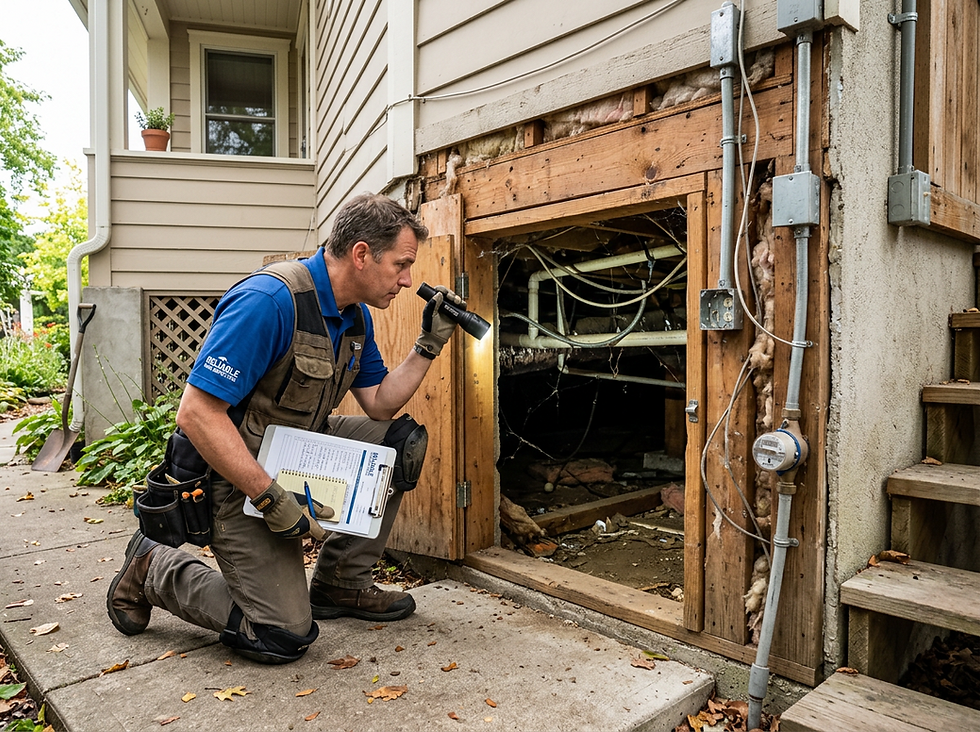
During a Florida home inspection, the inspector is generally looking at visible and accessible systems. They are not opening walls, moving heavy furniture, or guaranteeing the future performance of the home. Still, a careful inspection can reveal material defects, maintenance concerns, installation issues, and items that may affect insurance or repair costs.
That judgment can help a buyer decide whether to move forward, renegotiate, request repairs, or bring in a specialist.
What a standard home inspection usually includes
Every inspector has a defined scope of work, and details vary by company. Still, a standard general home inspection usually covers the major visible systems and components of the property.
Area inspected | What the inspector is looking for |
Roof | Covering condition, visible damage, drainage, flashing, signs of leaks |
Exterior | Siding or stucco issues, grading, doors, windows, decks, balconies, drainage |
Structure | Foundation clues, framing concerns, settlement signs, visible movement |
Attic | Ventilation, insulation, roof sheathing stains, visible leaks, pest signs |
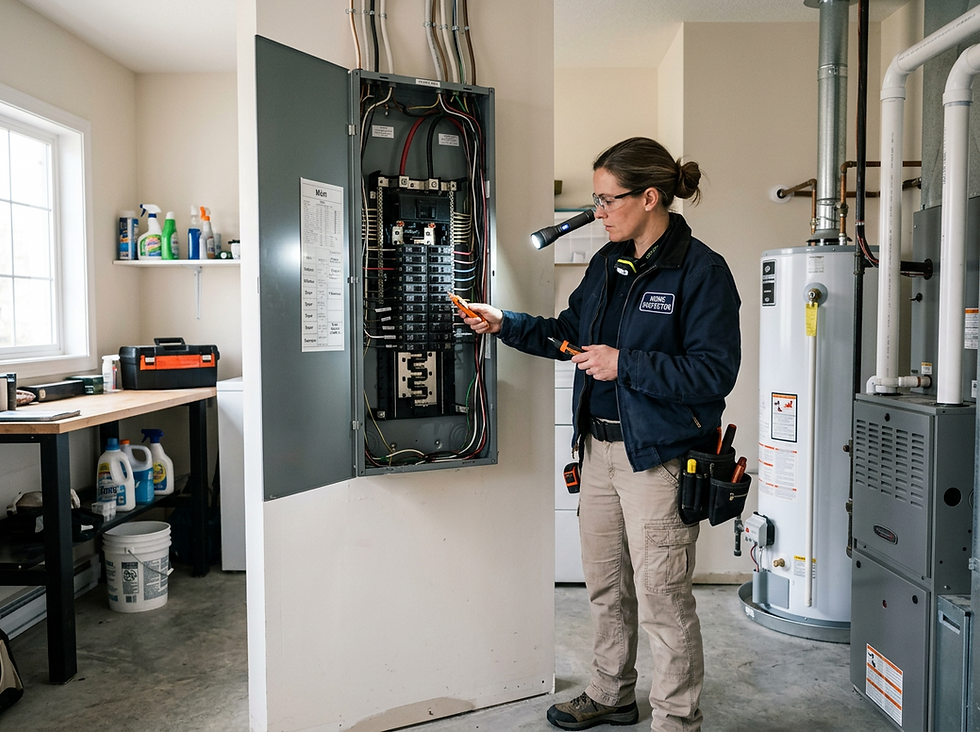
Electrical | Panel condition, wiring concerns, GFCI protection, visible safety hazards |
Plumbing | Leaks, water pressure clues, fixture operation, water heater condition |
HVAC | System operation, age clues, temperature split, drainage, visible defects |
Interior | Walls, ceilings, floors, stairs, windows, doors, installed appliances |
Safety items | Smoke alarms, carbon monoxide concerns where applicable, trip hazards, unsafe conditions |
The inspection is visual, but “visual” does not mean casual. A skilled inspector may use a ladder, moisture meter, outlet tester, flashlight, infrared camera, or other tools to better understand what they can see.
The report should explain findings in clear language. Photos matter too. A strong report does not just say “roof issue observed.” It shows the issue, describes why it matters, and recommends the right next step.
Florida adds extra risk factors to the inspection
A home in Florida faces conditions that make certain inspection items especially important. That is one reason prices and inspection packages can differ from other states.
Roof condition carries extra weight
Florida roofs take a beating from intense sun, heavy rain, tropical storms, and high winds. Roof age and condition can also affect insurance options.
An inspector may look for:
Missing, cracked, or loose roof coverings
Worn underlayment clues
Damaged flashing
Soft or deteriorated roof decking where visible
Prior repairs
Signs of active or past leaks in the attic
The inspection is not the same as a roof certification, but roof findings can help decide whether a roofing contractor should review the property before closing.
Moisture can hide in plain sight
Humidity and water intrusion are major concerns in Florida. Moisture problems may show up as stains, swollen trim, musty odors, soft drywall, microbial growth, or damaged flooring.
A home does not need to be old to have moisture issues. Improper flashing, clogged gutters, poor grading, window leaks, plumbing leaks, and air conditioning drain problems can all create trouble.
A good inspector looks for signs of moisture and helps separate active concerns from old cosmetic marks when possible.
HVAC systems work hard
Air conditioning is not a luxury item in most Florida homes. It is a core system that affects comfort, moisture control, and livability.
Inspectors often check whether the system operates, whether supply air feels appropriate, whether the condensate line appears properly managed, and whether visible components show signs of damage or deferred maintenance.
They will not predict exactly how long the system will last. No inspector can. But they can flag age, poor performance clues, corrosion, damaged insulation on refrigerant lines, clogged drain concerns, and other visible warning signs.
Wood-destroying organisms are a separate concern
Termites and other wood-destroying organisms matter in Florida. A general home inspection may note visible signs of pest damage, but a formal wood-destroying organism inspection is often a separate service performed under its own standards.
That separate inspection may be required or strongly recommended depending on the loan, property type, or buyer preference.
Add-on inspections are often where the price changes
Many buyers compare inspection quotes and wonder why one is higher than another. The answer often comes down to add-ons.
A base inspection may cover the general home only. Florida buyers may also need or choose extra inspections based on the property, insurance needs, age, location, and lender requirements.
Common add-ons include:
Wind mitigation inspection This documents certain wind-resistant features, such as roof deck attachment, roof shape, opening protection, and other items. It may help with homeowners insurance credits when qualifying features exist.
Four-point inspection This focuses on four major systems: roof, electrical, plumbing, and HVAC. Insurers often request it for older homes.
Wood-destroying organism inspection This checks for visible evidence of termites and related organisms under a separate pest inspection scope.
Pool and spa inspection Pool equipment, surface condition, safety features, drains, and visible plumbing may require specific review.
Sewer scope A camera inspection can reveal problems in the main sewer line that a standard inspection cannot see.
Mold or air quality testing This may be used when there are moisture concerns, visible growth, odors, or a specific need for lab testing.
Irrigation inspection Sprinkler systems are common in Florida and may not be included in a basic inspection.
Seawall or dock review Waterfront properties may need specialized evaluation beyond a general home inspection.

These services are not “extras” in the sense of being unnecessary. They are separate because they require different forms, tools, licensing, reporting, or expertise.
You are also paying for documentation
The inspection report may be the most valuable part of the process after the walk-through. It gives the buyer, agent, lender, insurer, or contractor a shared record of what was found.
A useful report should include:
Clear descriptions of concerns
Photos of important findings
Location details
Severity or priority clues
Recommendations for repair, monitoring, or specialist evaluation
Safety concerns that need prompt attention
This documentation can support repair requests, insurance conversations, future budgeting, and maintenance planning.
A vague report is hard to use. A detailed report helps the buyer make decisions with less guessing.
The report also gives context. For example, two homes may both have “roof wear.” One may need minor maintenance. The other may have missing shingles, attic stains, exposed fasteners, and soft decking. The words matter, but the photos and explanation matter more.
Why the cheapest inspection is not always the best deal
Price matters. Buying a home is expensive, and nobody wants to overpay. But choosing an inspector only because they are the cheapest can cost more later.
A low fee may mean a shorter inspection, less detailed reporting, fewer tools, limited follow-up, or excluded systems. That is not always true, but it is worth asking what the fee includes.
Before booking, ask these questions:
What is included in the standard inspection?
What is excluded?
Do you inspect the roof from the roof, ladder, drone, or ground?
Do you include thermal imaging or moisture scanning when needed?
How soon will the report be delivered?
Are wind mitigation or four-point inspections available?
Can I attend the inspection?
What experience do you have with homes like this one?
The goal is not to hire the most expensive inspector. The goal is to understand the full scope before comparing prices.
If one company includes a detailed report, roof access when safe, attic review, appliance checks, and clear photos, while another offers only a basic checklist, those are not the same service.
What inspectors are not charging you for
A home inspection is powerful, but it has limits. Understanding those limits prevents frustration later.
A standard home inspection is usually not:
A code compliance inspection
A home warranty
An appraisal
A guarantee that nothing will break
An environmental inspection
A mold clearance test
A permit history review
A destructive investigation
A full engineering analysis
Inspectors can only report on conditions that are visible and accessible at the time of the inspection. If a seller’s belongings block a wall, if a roof is unsafe to walk, or if a system is shut off, the inspector must work within those limits.
That does not reduce the value of the inspection. It simply defines the service honestly.
The real value is risk reduction
A home inspection cannot remove every risk from buying a house. It can reduce the number of unknowns.
That is the real product.
The buyer gains a clearer view of the home’s condition before making a final decision. The inspection may uncover major concerns, confirm that a home is mostly sound, or identify maintenance items to plan for after closing.
In Florida, this can affect more than repair negotiations. It can shape insurance conversations, roof planning, storm preparation, pest prevention, and moisture control.
A good inspection helps answer questions such as:
What needs attention now?
What may become expensive soon?
What should a specialist review?
What maintenance has been neglected?
What safety concerns exist?
What insurance-related inspections may be useful?
Those answers can be worth far more than the inspection fee.
How to get more value from the inspection
The buyer plays a role too. A good inspector brings skill, but the inspection works best when the buyer is prepared.
If possible, attend the inspection or at least the summary at the end. Ask questions while the findings are fresh. Bring concerns from the showing, seller’s disclosure, or listing notes.
Review the report carefully. Separate major defects from normal wear. A loose doorknob and an overheating electrical panel should not carry the same weight.
After the inspection, use the report in three ways.
For negotiations
The report may support repair requests, credits, or further evaluation before closing.
For specialist follow-up
Some findings need a licensed roofer, electrician, plumber, HVAC contractor, structural engineer, pest inspector, or other specialist.
For future maintenance
Even if the transaction moves forward smoothly, the report can become a first-year maintenance plan.
This is where many buyers miss value. They treat the inspection as a pass-or-fail test, then put the report away. A better approach is to use it as a guide to owning the home well.
What the fee really buys
A Florida home inspection fee covers time, tools, training, documentation, and judgment. It also buys a clearer picture of the home before the deal becomes final.
The price is not just for someone to walk through a property and point at defects. It is for a structured review of the systems that affect safety, comfort, insurance, maintenance, and repair costs.
The best inspection will not make a house perfect. It will make the decision clearer.
That clarity is what the fee is really paying for.
Call David at Homegenix Home Inspections LLC today!
727-282-4047
Comments