


When a Home Inspector Should Call a Specialist

A good home inspection is broad, careful, and honest. It is also limited. The best home inspectors know the difference between identifying a concern and diagnosing the full cause of it.
That difference matters. A home inspector may spot signs of foundation movement, moisture intrusion, unsafe wiring, or a failing sewer line. But some findings need tools, licenses, calculations, or trade-specific experience that fall outside a general home inspection. Calling in a specialist is not a weakness. It is often the most responsible next step.
A clear referral can protect the home buyer, the seller, the inspector, and the transaction itself. It helps everyone move from “something looks wrong” to “here is what it means, what it may cost, and what should happen next.”

A general home inspection has clear boundaries
A standard home inspection is a visual, non-invasive review of the home’s accessible systems and components. The inspector looks at the roof, exterior, structure, electrical system, plumbing, HVAC, interior, insulation, ventilation, and other visible conditions.
That does not mean the inspector opens walls, performs engineering calculations, scopes underground pipes, dismantles equipment, or guarantees future performance. The inspector’s job is to report observable conditions, explain concerns, and recommend next steps when needed.
A solid inspection report might say:
“Evidence of prior moisture staining was observed below the second-floor bathroom. The area was dry at the time of inspection. Recommend evaluation by a licensed plumber to determine the source and needed repairs.”
That kind of language is useful because it does three things:
It describes what was seen.
It avoids guessing beyond the evidence.
It points the client toward a qualified professional.
The key is knowing when observation is enough and when the condition needs expert evaluation.
Specialists help when the risk is high or the cause is unclear
Not every defect needs a specialist. A missing outlet cover, loose handrail, or clogged gutter can be reported plainly. But when the issue involves safety, structural performance, hidden damage, or costly repairs, a specialist may be needed.
A home inspector should call a specialist when one or more of these factors are present:
The concern could affect life safety.
The repair could be expensive.
The defect may have hidden causes.
The system requires licensed evaluation.
The inspector cannot fully access or test the area.
The condition falls outside the inspector’s training or standards of practice.
The most important phrase in this work is simple: know your limits.
That does not mean an inspector should be timid. A capable inspector gives clear, confident observations. But confidence should never become overreach. Guessing about a cracked foundation, an electrical hazard, or possible mold contamination can mislead clients and create liability.
Structural concerns need careful escalation
Structural issues are among the most common reasons to recommend a specialist. A home inspector can identify cracks, settlement signs, sloped floors, bowing walls, roof sagging, and damaged framing. But determining structural adequacy often requires a structural engineer or another qualified structural professional.
When cracks deserve more than a note
Not every crack means trouble. Hairline cracks in concrete or drywall can be common. Still, certain patterns should raise concern:
Stair-step cracks in masonry
Horizontal cracks in foundation walls
Wide or displaced cracks
Cracks paired with sticking doors or uneven floors
Bowed basement walls
Sagging roof ridges
Cut or altered framing members
The inspector should document the location, direction, size if practical, and any related symptoms. Photos help. So does plain language.
A poor report might say, “Foundation is failing.”
A better report says, “Horizontal cracking and inward displacement were observed at the north foundation wall. Recommend evaluation by a structural engineer before closing.”
The second version is more accurate and more useful. It avoids panic, but it does not downplay the risk.
Altered framing is a red flag
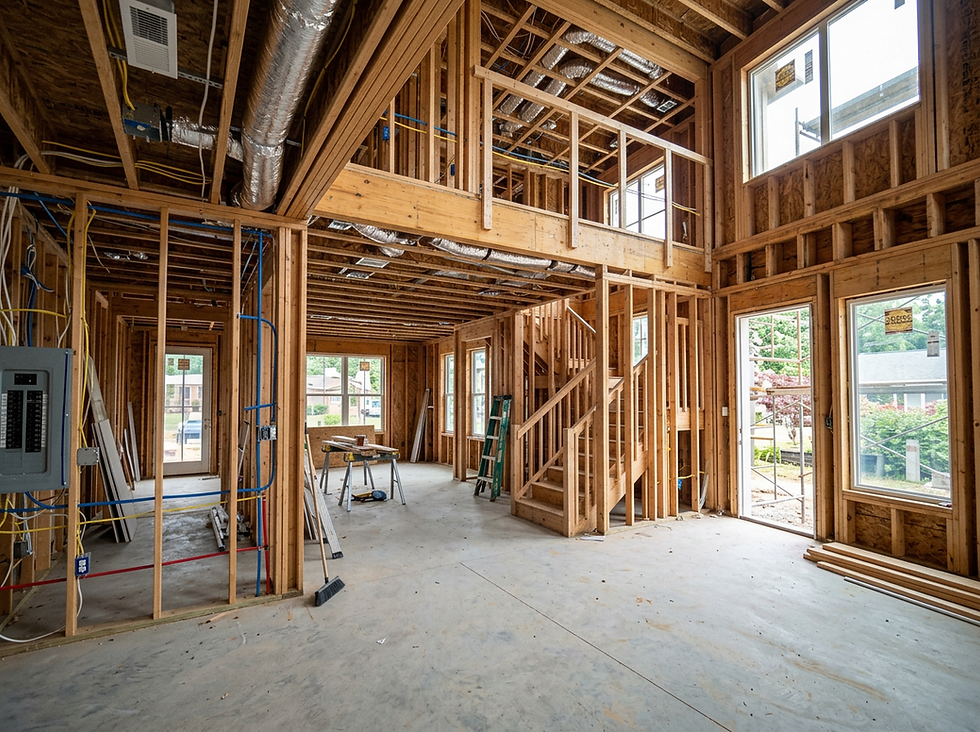
Many homes have been remodeled over time. Some changes are cosmetic. Others can affect load paths. If an inspector sees cut joists, removed walls, notched beams, missing supports, or roof framing that looks modified, a specialist should evaluate it.
This is especially true when there is no visible permit history or when the work appears amateur. Home inspectors do not need to solve the framing design. They need to recognize when the design deserves review.
Electrical defects can require a licensed electrician
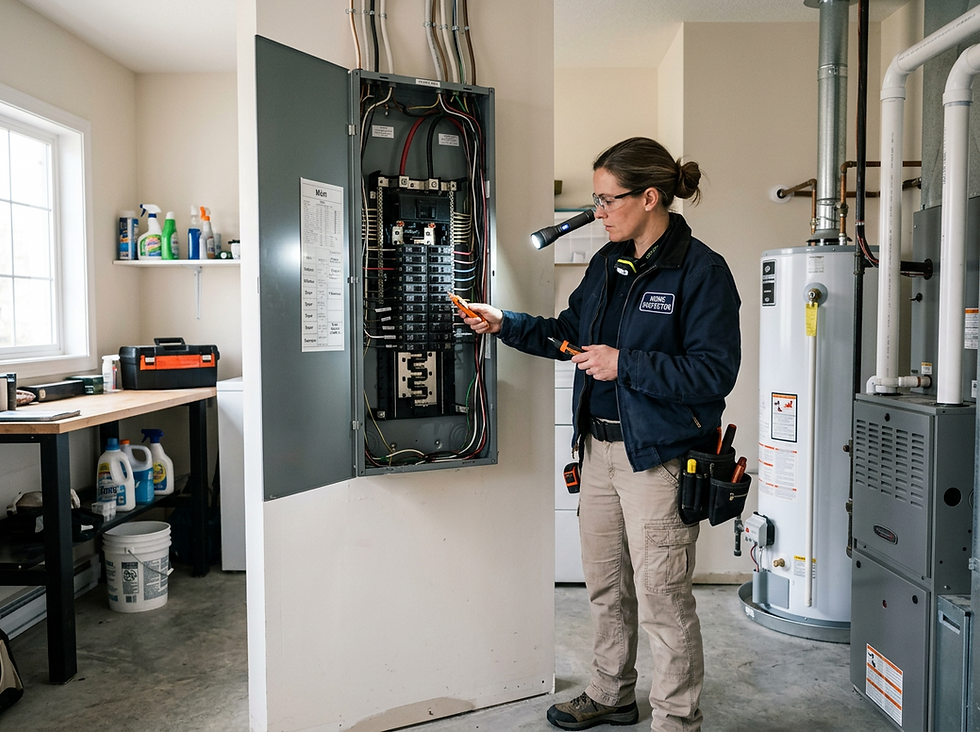
Electrical systems carry obvious safety concerns. A home inspector can identify visible defects, test accessible outlets, inspect panels, and report unsafe conditions. But the inspector should not perform invasive troubleshooting or make repair promises.
A licensed electrician should be recommended when the defect involves shock risk, fire risk, improper panel work, or an unknown condition that needs further diagnosis.
Common examples include:
Double-tapped breakers when not rated for two conductors
Overfused circuits
Exposed live wiring
Open splices outside junction boxes
Burn marks or overheating in a panel
Federal Pacific or other historically problematic electrical panels
Aluminum branch wiring
Repeatedly tripping breakers
Improper grounding or bonding
Knob-and-tube wiring still in service
A strong inspection report should be direct. “The panel showed evidence of overheating at multiple breakers. This is a safety concern. Recommend evaluation and repair by a licensed electrician.”
The inspector does not need to determine the full cause at the inspection. The priority is to flag the hazard clearly and send it to someone qualified to repair it.

Plumbing problems often hide behind surfaces
Plumbing issues can be tricky because the visible symptom is often far from the source. A stain on a ceiling may come from a roof leak, a failed shower pan, a loose toilet, a supply line, or past damage that is no longer active.
A home inspector can run fixtures, check visible pipes, look for leaks, test basic drainage, and document water stains. But a licensed plumber may be needed when the source is hidden, the system is failing, or specialized testing is needed.
Sewer lines deserve special attention
A general inspection usually does not include a sewer scope unless it is specifically added. Yet sewer line repairs can be costly, and problems may not show during a short inspection.
A sewer specialist or plumber with camera equipment may be needed when:
The home is older.
Large trees are near the sewer line.
Drains gurgle or back up.
Multiple fixtures drain slowly.
There is a sewage smell.
The property has a history of sewer issues.
The line material is known to be prone to problems.
An inspector can recommend a sewer camera inspection without claiming the line is defective. That referral can give the client valuable information before purchase.
Water heaters and gas piping need caution
Water heaters are another area where the line between observation and repair matters. Missing temperature-pressure relief discharge piping, improper venting, corrosion, flame rollout marks, and gas odors need prompt attention.
Gas concerns should be treated seriously. If gas odor is detected, the inspector should follow appropriate safety procedures, which may include leaving the area and contacting the utility or emergency service. This is not a “wait and see” condition.
HVAC systems may need trade-specific testing
Heating and cooling equipment can appear to work during an inspection but still have underlying issues. Home inspectors usually operate systems using normal controls, observe general performance, and report visible defects. They do not typically perform a full HVAC service evaluation.
An HVAC contractor should be recommended when the system shows signs of unsafe operation, poor performance, or deferred maintenance.
Examples include:
The furnace does not ignite.
The system short cycles.
There is rust or corrosion in key areas.
The air conditioner produces little cooling.
The evaporator coil appears dirty or frozen.
The flue is damaged or improperly sloped.
The filter is missing or severely clogged.
There are unusual noises or odors.
The system is near or beyond its expected service life and shows defects.
Carbon monoxide concerns deserve special care. A cracked heat exchanger, improper venting, or backdrafting condition can create serious risk. A home inspector can identify warning signs, but confirmation and repair belong with a qualified HVAC professional.
Roof problems may require a roofer or structural evaluation
Roof inspections vary by access, pitch, weather, height, and safety. Sometimes an inspector can walk the roof. Sometimes they must inspect from the ground, eaves, windows, or a ladder. Limited access should always be stated clearly.
A roofing contractor may be needed when the inspector sees:
Active leaks
Widespread damaged shingles
Improper flashing
Soft or deteriorated decking
Poor installation practices
Multiple roof layers
Significant hail or storm damage
Chimney flashing problems
Ponding on low-slope roofs
A structural specialist may be needed if roof sagging, rafter spreading, or damaged trusses are present. A roofer can address coverings and flashing. An engineer may be better suited for structural movement or load concerns.
A good report makes that distinction when possible. It should not send every roof issue to the wrong trade.
Environmental concerns need the right testing and credentials
Some conditions raise environmental or indoor air quality concerns. These can include suspected mold, asbestos-containing materials, lead-based paint, radon, pests, or contaminated water.
Home inspectors should be careful with language in this area. Many environmental issues require lab testing or specific credentials. Visual identification alone is often not enough.
Suspected mold
An inspector may see staining, organic growth, or moisture conditions that support microbial growth. But unless properly qualified and testing under a defined scope, the inspector should not declare a substance to be mold.
Better wording would be:
“Dark staining and suspected microbial growth were observed on the roof sheathing. Recommend evaluation by a qualified mold assessment professional or remediation contractor.”
The report should also identify the moisture condition if visible. Mold concerns are rarely only about cleaning a surface. The water source must be found and corrected.
Asbestos and lead
Older homes may contain materials that could include asbestos or lead. Examples include certain floor tiles, pipe insulation, textured coatings, siding, and older paint.
A home inspector can note that a material may require evaluation before disturbance. Lab testing is needed to confirm asbestos or lead content. This is especially relevant before renovation.
Pest and wood-destroying insect concerns require the right pro
Termites, carpenter ants, powderpost beetles, and other wood-destroying insects can cause serious damage. Some states have specific licensing rules for wood-destroying organism inspections.
A home inspector may observe damaged wood, mud tubes, frass, insect wings, or moisture conditions that attract pests. Still, a pest control professional should evaluate active infestation, treatment needs, and hidden damage.
This is especially important when:
Wood damage is visible near the foundation.
Mud tubes are present.
Deck posts or sill plates are deteriorated.
Crawl space moisture is high.
Prior treatment evidence is visible.
The buyer’s lender requires a separate pest report.
The right referral helps avoid two mistakes: ignoring a serious pest issue or overstating damage without proof.
Chimneys, pools, wells, and septic systems are special cases
Some systems are outside the comfort zone of many general inspections. That does not make them minor. It means they require the right tools and knowledge.
Chimneys and fireplaces
A visible fireplace inspection is limited. A chimney specialist can inspect flues, liners, caps, crowns, smoke chambers, and hidden defects. This is especially important for older masonry fireplaces, damaged chimneys, or homes where the fireplace has not been used in years.
Pools and spas
Pools include pumps, filters, heaters, electrical components, bonding, drains, surfaces, and safety barriers. A pool specialist can assess function, leaks, equipment condition, and code-related safety concerns.
Wells and septic systems
Private wells and septic systems need specific testing and evaluation. Water quality, water yield, pump condition, tank condition, drain field performance, and setbacks are beyond a typical visual home inspection. A qualified well or septic contractor should handle those evaluations.
How an inspector should make the referral
The way a home inspector recommends a specialist matters. The goal is to be clear without creating unnecessary alarm.
Good referral language is specific, neutral, and tied to an observed condition.
Use wording like:
“Recommend evaluation by a licensed electrician.”
“Recommend further review by a structural engineer.”
“Recommend repair by a qualified roofing contractor.”
“Recommend sewer camera inspection by a qualified plumbing contractor.”
“Recommend evaluation before the end of the inspection contingency period.”
Avoid wording that sounds casual when the issue may be serious. Also avoid diagnosing beyond the evidence.
A referral should answer four basic questions:
What was observed?
Why is it a concern?
Who should evaluate it?
How soon should it be addressed?
For example:
“Moisture staining and elevated moisture readings were observed at the wall below the primary bathroom. Hidden damage may be present. Recommend evaluation by a licensed plumber and qualified contractor before closing.”
That statement is useful because it is specific and time-sensitive.
Specialists do not replace a good inspection
Calling a specialist should not become a shortcut for weak reporting. A home inspector should still inspect accessible areas, take photos, describe concerns, and explain limitations.
For example, writing “Have electrician evaluate” for every minor issue does not help the client. It can make the report feel vague and inflated. By contrast, failing to recommend an electrician for scorched wiring is careless.
The balance is the skill.
A good inspector does not try to be an engineer, electrician, plumber, roofer, HVAC tech, mold assessor, and pest expert all at once. A good inspector also does not shrug and defer everything. The best work sits between those extremes.
The inspector observes carefully, reports clearly, and calls in help when the condition demands it.
The real value is judgment
The phrase When a Home Inspector Should Call a Specialist points to one of the most important parts of the job: professional judgment.
Clients rely on inspectors not just to find defects, but to sort them by meaning. Some items are simple maintenance. Some are safety hazards. Some are clues that lead to larger hidden problems. The inspector’s role is to separate those categories as clearly as possible.
That judgment comes from training, experience, humility, and discipline. It also comes from knowing that the client is making a major decision, often under time pressure.
The right specialist referral can prevent a buyer from inheriting a major problem. It can help a seller address a legitimate defect. It can keep the inspector within their scope while still giving the client strong guidance.
A good home inspector is not the person who claims to know everything. It is the person who knows what they see, knows what it may mean, and knows when another expert needs to take the next look.
Call David at Homegenix Home Inspections LLC!
727-282-4047

Comments