


Main Issues Found in Older Tampa Bay Homes

Older homes in Tampa Bay can be full of charm, shade, solid layouts, and details that newer builds often lack. They can also hide problems that come from decades of heat, humidity, storms, salt air, termites, changing building codes, and past repairs that were not always done well.
A house built in the 1950s, 1970s, or even the early 1990s may have good bones, but age and location matter. Tampa Bay’s climate is tough on homes. Moisture gets into materials. Roofs bake in the sun. Plumbing corrodes. Electrical systems fall behind modern demand. Wind and rain test every weak spot.
The biggest issues are usually not about one dramatic defect. They are often a stack of smaller problems that add up. A roof near the end of its life. Old drain lines. Outdated wiring. Soft wood around windows. Poor drainage near the foundation. Each one affects safety, comfort, insurance, and long-term repair costs.

Roof age and storm wear are often the first concerns
The roof is one of the most important items on any older Tampa Bay home. Sun, heat, wind, and heavy rain all shorten roof life. Even if a roof is not leaking during a showing, it may still be close to needing replacement.
Common roof concerns include:
Missing, curled, or brittle shingles
Granule loss on asphalt shingles
Rusted or loose flashing
Soft decking under worn areas
Staining on ceilings or attic sheathing
Poor repairs around vents, chimneys, or skylights
Flat roof sections with ponding water
Tampa Bay homes may also have roof shapes that make drainage difficult. Low-slope additions, porch conversions, and older flat roof membranes can become problem areas. These spots often leak before the main roof does.
Insurance can make roof condition even more important. Some carriers look closely at roof age and remaining useful life. A roof that still seems functional may still create problems for coverage, renewals, or closing requirements.
A roof inspection should not stop at the shingles. The attic can reveal stains, daylight around penetrations, damaged decking, poor ventilation, and signs of repeated leaks. A dry ceiling does not always mean a healthy roof.
Moisture intrusion shows up in many forms
Humidity is part of life in Tampa Bay. So are wind-driven rain, afternoon storms, tropical systems, and high groundwater in some areas. Older homes often have more weak points where water can enter or linger.
Moisture problems may show up as:
Stains around windows and doors
Swollen baseboards or trim
Musty odors
Peeling paint
Soft drywall
Efflorescence on masonry
Mold-like growth in closets, bathrooms, or HVAC areas
Stucco homes deserve special attention. Cracks, gaps, missing sealant, and poor flashing can let water get behind the exterior finish. Once moisture gets trapped, wood framing, sheathing, and trim can deteriorate.
Windows are another common entry point. Many older Tampa Bay homes still have original or older replacement windows. Aluminum-frame windows, jalousie windows, and older sliders can allow air and water leaks. Around the openings, caulk may fail and wood may rot.
Bathrooms, kitchens, laundry areas, and water heater closets also need a close look. Slow leaks under sinks or behind toilets can damage subfloors before anyone notices.
Plumbing systems may be near the end of service life
Plumbing is one of the most common expensive surprises in older homes. Pipes can look fine from the outside while problems develop inside walls, under slabs, or below the yard.
Cast iron drain lines can fail with age
Many older Florida homes were built with cast iron drain lines. Over time, cast iron can corrode, scale, crack, or collapse. In slab homes, these lines may run under the concrete, making repairs more involved.
Warning signs include:
Slow drains throughout the house
Sewage odors
Gurgling toilets or tubs
Backups after heavy use
Wet spots or settlement in the yard
Repeated drain cleaning history
A standard home inspection may identify symptoms, but a sewer scope can show the actual condition inside the line. For older houses, that extra inspection can be very useful.
Supply pipes can also be outdated
Older homes may have galvanized steel, copper, CPVC, PEX, or a mix of materials from different repairs. Galvanized steel pipes are known for corrosion and reduced water flow as they age. Older valves may be frozen, leaking, or missing where they should exist.
Some homes also have plumbing repairs that are functional but messy. Look for unsupported pipes, mixed materials without proper fittings, and water heaters installed without correct safety features.

Electrical systems often lag behind modern use
Older Tampa Bay homes were not designed for today’s electrical loads. Central air conditioning, large refrigerators, electric dryers, pool equipment, computers, chargers, and entertainment systems all add demand.
Common electrical issues include:
Undersized electrical panels
Old or crowded breaker panels
Double-tapped breakers
Missing GFCI protection near water
Ungrounded outlets
Cloth wiring in very old homes
Aluminum branch wiring in some homes from certain eras
DIY additions and unsafe splices
Outlets painted over or loose in the wall
Some homes may also have older panel brands or components that electricians often recommend evaluating closely. The concern is not just age. It is whether the system is safe, properly installed, and able to handle the home’s current use.
GFCI protection is especially important in kitchens, bathrooms, garages, laundry areas, exterior outlets, and near pools. Older homes may not have it unless upgrades were made.
Electrical work should be reviewed by a licensed electrician when an inspection finds defects. Small electrical shortcuts can become serious safety issues.
HVAC systems work hard in Tampa Bay
Air conditioning is not a luxury in Tampa Bay. It controls comfort, humidity, and indoor air quality. Older homes can strain HVAC systems in several ways.
The system may be old, poorly maintained, oversized, undersized, or connected to leaky ductwork. Ducts in attics and crawl spaces can lose a lot of cooled air before it reaches the rooms. Old insulation makes the problem worse.
Look for signs such as:
Uneven temperatures from room to room
Long run times
Weak airflow
Rust in the air handler
Stains near supply vents
Condensation around ducts
Musty smells when the system starts
Dirty returns or missing filters
Humidity control is a major issue. A system that cools quickly but does not run long enough may leave the house feeling damp. That can encourage microbial growth and make rooms feel uncomfortable even at lower temperatures.
Older ductwork may also be damaged by pests, poor repairs, or age. In some homes, additions were connected to the original system without enough capacity, leading to hot rooms and high energy bills.
Termites and wood-destroying organisms are a real risk
Tampa Bay’s warm, humid climate is favorable for termites and other wood-destroying organisms. Older homes with wood framing, crawl spaces, wood trim, fences, decks, and porch structures need careful evaluation.
Subterranean termites can enter from the soil. Drywood termites can infest wood above ground. Both can cause damage before signs become obvious.
Common clues include:
Mud tubes on walls, piers, or foundations
Hollow-sounding wood
Tiny exit holes
Frass, which looks like small pellets
Damaged baseboards or trim
Soft porch columns or fascia
Wings near windowsills
Moisture makes termite risk worse. Wood-to-ground contact, leaking plumbing, poor drainage, and overgrown landscaping can all create favorable conditions.
A general home inspector may note visible damage, but a separate WDO inspection is often used in Florida real estate transactions. That inspection looks specifically for wood-destroying organisms and related damage.
Foundation, drainage, and settlement problems can be subtle
Many Tampa Bay homes are built on concrete slabs, while some older homes have crawl spaces or pier foundations. Foundation issues vary by property, soil, drainage, tree roots, and past construction work.
Not every crack is a major structural problem. Hairline cracks in stucco or concrete can be normal. Still, certain patterns deserve attention.
Watch for:
Stair-step cracks in block or brick
Cracks wider than typical shrinkage lines
Doors that stick or swing open on their own
Uneven floors
Gaps around windows or trim
Sloping patios that direct water toward the home
Pooling water near the foundation
Drainage is often the root problem. Gutters may be missing, clogged, or directed too close to the structure. Soil may slope toward the house. Older patios, driveways, and additions can trap water.
Crawl spaces need special care. Poor ventilation, standing water, damaged vapor barriers, wood rot, and pest activity can all affect the structure above.
Windows, doors, and openings may not meet current expectations
Older windows and doors can affect comfort, storm readiness, efficiency, and insurance. Many older Tampa Bay homes do not have impact-rated openings unless they were upgraded.
Older openings may have:
Single-pane glass
Worn weatherstripping
Corroded frames
Failed seals
Poor locks
Rotted sills
Missing or unverified storm protection
Some homes have shutters, panels, or impact products, but documentation matters. Labels, permits, and product approvals may be needed to confirm what is actually installed.
Air leaks around windows and doors also make the HVAC system work harder. In a humid climate, that matters. Warm, moist air entering the home can raise humidity and create comfort issues.
Additions and renovations may hide permit or workmanship issues
Many older homes in Tampa Bay have changed over time. A carport became a bedroom. A porch became an enclosed living room. A garage became an apartment. A back room was added by a previous owner.
Some additions are well built. Others create long-term problems.
Common concerns include:
Floors not level with the original home
Low ceilings or poor insulation
Leaky flat roofs
Electrical work without proper protection
HVAC ducts extended too far
Missing permits
Improper framing
Drainage issues where the addition meets the original structure
Unpermitted work can affect insurance, resale, and appraised value. It can also create safety concerns if electrical, plumbing, or structural changes were done without review.
A permit search can help, but permit records are not always complete for very old work. The physical condition of the addition still matters.
Hazardous and outdated materials may be present
Older homes may include materials that were common at the time but would be handled differently today.
Possible concerns include:
Lead-based paint in homes built before 1978
Asbestos-containing materials in some flooring, ceiling texture, siding, or insulation
Old insulation with low energy performance
Outdated smoke alarm placement
Missing carbon monoxide alarms where needed
Old water heaters without modern safety features
These materials are not always dangerous when left undisturbed and in good condition. The risk often increases during demolition, sanding, remodeling, or removal. Testing by qualified professionals is the best way to confirm what is present.
For buyers planning renovations, this matters before budgeting. Removing old flooring or opening walls can reveal costs that were not visible during a normal walkthrough.
Pools, seawalls, and exterior systems need their own review
Tampa Bay properties often include features that need specialized attention. Pools, docks, seawalls, irrigation systems, and older sheds can all carry repair costs.
A pool inspection may identify:
Cracked decking
Leaking equipment
Old pumps or filters
Damaged screens
Loose coping
Surface wear
Electrical bonding concerns
Coastal or waterfront homes may have seawalls or docks. These should be reviewed by someone familiar with marine structures. Salt air, wave action, tides, and age can affect concrete, wood, fasteners, and tiebacks.
Irrigation systems can also cause trouble. Overspray against stucco, constant wetting near the foundation, and broken sprinkler heads can create moisture problems.

Red flags that deserve extra attention
Some issues are common and manageable. Others should slow the process down until more information is available.
Pay close attention when several of these appear together:
Ongoing roof stains or active leaks
Strong musty odors
Multiple rooms with soft flooring
Repeated plumbing backups
Significant electrical defects
Visible termite damage
Large structural cracks
Additions with unclear history
Standing water around the home
Fresh paint used to cover stains without repairs
One red flag does not always mean the house is a bad choice. It means the repair scope needs to be clear. The key is knowing whether the problem is isolated, active, and properly repairable.
What to inspect before buying or renovating
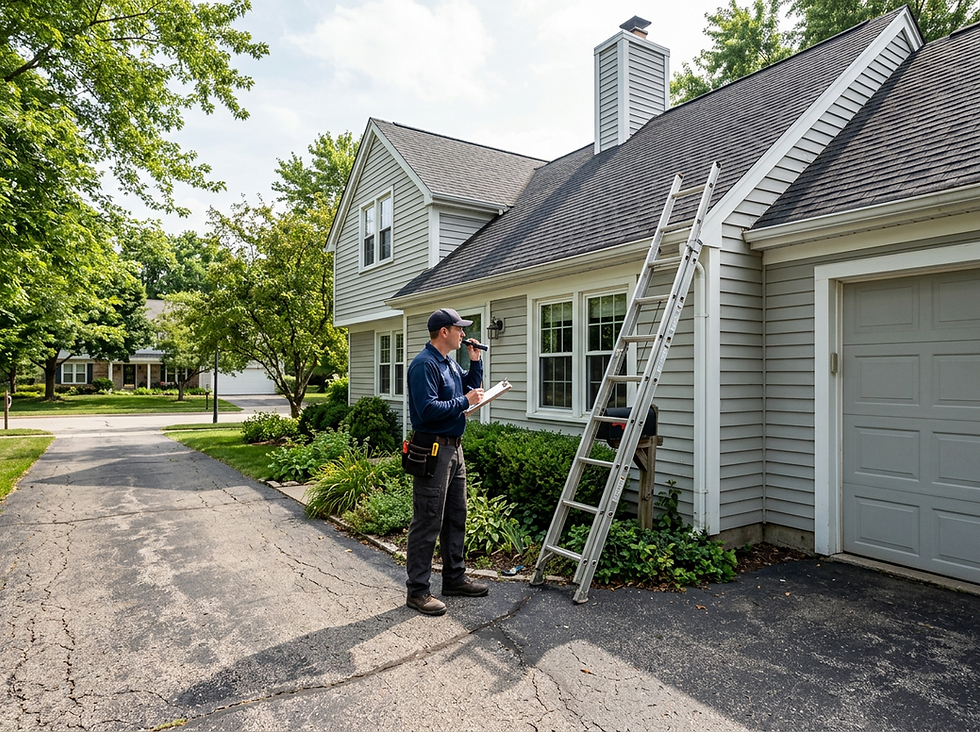
A standard home inspection is a strong starting point, but older Tampa Bay homes often benefit from additional evaluations.
Useful inspections may include:
General home inspection
Four-point inspection for roof, electrical, plumbing, and HVAC
Wind mitigation inspection
WDO inspection for termites and wood-destroying organisms
Sewer scope for older drain lines
Mold or indoor air quality assessment when moisture is suspected
Structural evaluation when major cracks or movement appear
Roof evaluation by a qualified roofer
Pool or seawall inspection when applicable
The goal is not to find a perfect house. Older homes rarely are. The goal is to understand condition, risk, and cost before making decisions.
Good inspection reports turn uncertainty into a repair plan. They help separate cosmetic issues from safety concerns, and minor fixes from major expenses.
The real takeaway for older Tampa Bay homes
Older Tampa Bay homes can be excellent places to live. Many sit in established neighborhoods with mature trees, larger lots, and character that is hard to recreate. But the climate is unforgiving, and age reveals itself in the systems that keep a house dry, safe, cool, and functional.
The main issues to watch are roof wear, moisture intrusion, aging plumbing, outdated electrical systems, HVAC strain, termite activity, drainage problems, older windows, questionable additions, and outdated materials.
A careful inspection is not about being scared away. It is about knowing what comes next. With the right information, an older home can be maintained, repaired, and improved with confidence.
Call David at Homegenix Home Inspections LLC today!
727-282-4047

Comments