


Before You Fall in Love with a New Kitchen Let Homegenix Home Inspection Reveal Hidden Issues

A gleaming kitchen can make a house feel like the one. Fresh cabinets, shiny counters, new appliances, warm lighting, and a clean backsplash can pull attention away from almost everything else. That is exactly why a careful home inspection matters.
A renovated kitchen may look finished, but beauty does not always mean quality. Behind the tile, under the sink, inside the walls, and beneath the floor, small shortcuts can turn into expensive problems. A Homegenix Home inspection gives buyers a clearer view before emotions take over and before a signed contract becomes a costly lesson.
The kitchen is one of the hardest-working rooms in any home. It combines water, electricity, gas, ventilation, cabinetry, flooring, appliances, and structural connections in one compact space. When something is done wrong, the problem may stay hidden until after move-in.

A new kitchen can distract from old problems
A kitchen remodel has a strong emotional pull. It gives buyers a sense of comfort, cleanliness, and modern living. It can also create the impression that the rest of the home received the same level of care.
That assumption can be risky.
Some kitchen upgrades are cosmetic. Sellers may replace visible finishes without addressing the systems behind them. A new sink may connect to old plumbing. A new range may sit on an outlet or gas line that needs correction. New flooring may cover stains, soft spots, or past water damage.
A good-looking remodel can also hide rushed work. Not every renovation is completed by licensed trades. Some are done quickly before listing a home for sale. Others are do-it-yourself projects with good intentions but poor execution.
Common hidden issues behind attractive kitchens include:
Leaks under the sink or dishwasher
Improper electrical outlets near water
Poor ventilation for ranges and cooktops
Loose or uneven cabinets
Flooring installed over damaged subflooring
Missing shutoff valves
Signs of past moisture or mold-like growth
Appliances installed without proper clearance
Unsafe or outdated wiring
Evidence of pest activity behind cabinets
The goal is not to ruin the excitement. The goal is to separate style from substance.
A kitchen should be beautiful, but it also needs to be safe, functional, and properly installed.
What a home inspector looks for in the kitchen
A general home inspection is visual and noninvasive. That means the inspector does not tear open walls or take apart finished materials. Even so, a trained eye can often spot warning signs that buyers might miss during a showing.
A kitchen inspection focuses on the visible condition and performance of key components. Small clues often tell a larger story.
Plumbing under sinks and appliances
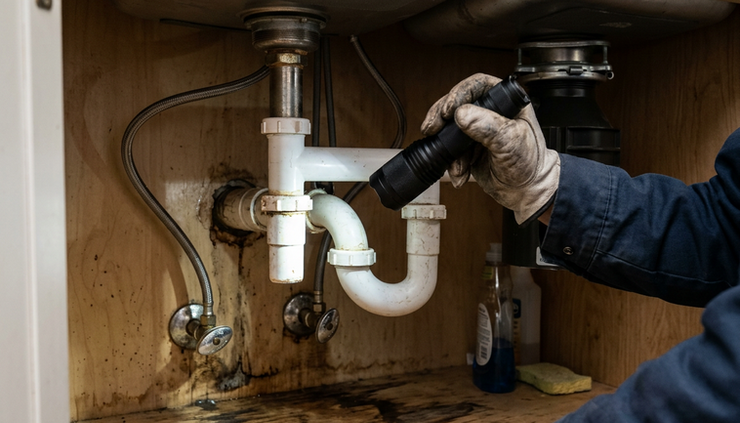
Water is one of the biggest threats to a home. In the kitchen, inspectors look closely at supply lines, drain lines, traps, shutoff valves, and visible signs of leakage.
A clean cabinet under the sink does not always mean the plumbing is problem-free. Fresh paint, new shelf liner, or stored cleaning supplies can hide stains. An inspector checks for active drips, corrosion, loose fittings, slow drainage, and water damage inside the cabinet.
Dishwashers deserve special attention. A poor installation can cause leaks, drainage problems, or backflow issues. The inspector may check visible connections, look for moisture nearby, and observe whether the unit appears properly secured.
Refrigerators with water dispensers or ice makers can also create hidden leaks. A small drip behind the appliance can damage flooring and walls over time.
Why it matters: Water damage can spread quietly. By the time flooring feels soft or cabinets swell, the repair may involve much more than a simple plumbing fix.
Electrical safety near water
A new kitchen often includes new lighting, outlets, and appliances. That does not always mean the electrical work is safe.
Inspectors look for outlet placement, visible wiring concerns, fixture condition, and whether ground-fault circuit interrupter protection appears present where required. GFCI protection helps reduce shock risk in areas near water.
Kitchen electrical issues may include:
Outlets that do not appear properly protected
Loose outlets or covers
Extension cords used as permanent wiring
Lights that flicker or fail to operate normally
Overloaded areas with too few outlets
Appliances connected in unsafe ways
Electrical standards have changed over time. Older homes may have kitchens that still work, but do not meet current safety expectations. A remodel can also create a mixed situation where new finishes sit alongside outdated wiring.
A polished backsplash cannot make unsafe electrical work safe.
Ventilation and cooking safety
A kitchen should move heat, moisture, grease, and cooking odors out of the space. Poor ventilation can lead to humidity problems, lingering odors, and grime buildup.
Some range hoods vent outdoors. Others recirculate air through filters. Either setup should be understood before purchase. A hood that looks powerful may not be connected to an exterior vent. In some kitchens, a decorative hood is installed mainly for appearance.
Inspectors may check whether the fan operates, whether it appears properly installed, and whether visible venting raises concerns.
Cooking appliances also need attention. Gas ranges, electric ranges, wall ovens, and cooktops each have their own safety concerns. An inspector may look for visible damage, installation problems, anti-tip protection where observable, and safe clearances.
Beautiful finishes can hide poor workmanship
Some kitchen defects do not involve major systems. They come from installation mistakes.
Cabinets can look straight at first glance, but closer inspection may reveal gaps, loose mounting, uneven doors, or damage from moisture. Countertops may have poor seams, inadequate support, or cracks near sinks and cutouts.
Tile work can also tell a story. Crooked grout lines are usually cosmetic, but cracked tile around a sink, dishwasher, or refrigerator may suggest movement, water exposure, or weak flooring below.
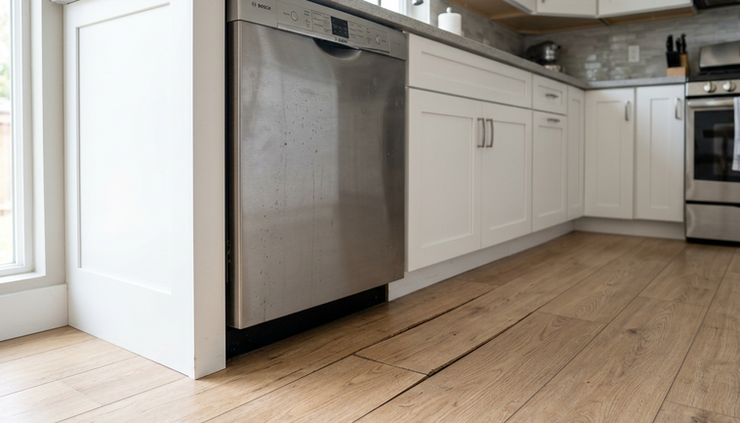
Flooring deserves a careful look. New luxury vinyl, tile, laminate, and hardwood can improve a kitchen quickly. Yet new flooring can cover old problems. Inspectors look for uneven surfaces, soft areas, staining, separation, and transitions that seem poorly finished.
The risk of flip-style renovations
Not every remodeled home is a flip, and not every flip is poorly done. Still, homes renovated for resale can carry special risk because the work may have been completed on a tight timeline and budget.
Signs that a kitchen update needs a closer look include:
New finishes in only the most visible areas
Different quality levels from room to room
Fresh caulk used heavily around plumbing fixtures
New paint over uneven or stained surfaces
Mismatched materials or rushed trim work
Appliances that are new but poorly fitted
Cabinets that feel loose when opened
None of these signs proves a serious defect. They do tell the inspector where to slow down.
A buyer may see a clean white kitchen. An inspector may see clues about how the renovation was planned, who likely performed the work, and whether hidden repairs may still be needed.
The kitchen can reveal clues about the whole house
The kitchen is not isolated from the rest of the home. Problems found there may point to wider concerns.
A slow kitchen drain could be a small clog, but it may also suggest aging drain lines. A tripped outlet might indicate a simple device defect, or it could point to broader electrical issues. Water stains under a dishwasher may be local, or they may connect to flooring damage that extends into nearby rooms.
Inspectors often read the kitchen as part of the larger home story.
For example:
What shows up in the kitchen | What it may suggest |
Staining under the sink | Past or active leaks |
Uneven flooring | Settling, subfloor damage, or poor installation |
Warm or loose outlets | Electrical defects that need further evaluation |
Strong musty odors | Moisture concerns nearby |
Loose cabinets | Poor installation or wall support concerns |
Nonworking exhaust fan | Ventilation or electrical issue |
A home inspection does not replace a specialist evaluation when one is needed. If the inspector finds a concern, the report may recommend further review by a licensed plumber, electrician, HVAC contractor, structural specialist, or other qualified professional.
That next step can help buyers decide whether to negotiate repairs, request credits, plan future work, or walk away.
Why inspection timing matters before emotions take over
Buying a home is emotional. A kitchen often becomes the room that seals the feeling. Buyers picture morning coffee, holiday meals, school lunches, dinner with friends, and everyday routines.
That emotional connection is powerful, but it can make warning signs easier to overlook.
A showing usually moves fast. There may be other buyers waiting. The lighting may be staged. Music may be playing. Counters are cleared. Everything smells clean. In that setting, most people do not crawl under a sink, test outlets, study venting, or check moisture clues near appliances.
That is where a Homegenix Home inspection can help create breathing room. It gives buyers a structured look at the home after the excitement of the showing and before the final decision.
The inspection report can turn a vague concern into a clear item:
What was observed
Where it was found
Why it matters
Whether further evaluation is recommended
This does not mean every listed item should become a deal-breaker. Homes are complex. Even well-maintained homes have defects. The value is in knowing what is ordinary, what needs attention, and what could affect safety or cost.
What buyers should do during the inspection process
A home inspection works best when buyers stay curious and realistic. The inspector is not there to judge the kitchen style or decide whether the home is worth buying. The inspector’s job is to observe visible conditions and communicate risks clearly.
Before the inspection, buyers can prepare by reviewing the seller’s disclosures, if available. Note any mention of kitchen renovations, appliance replacements, plumbing repairs, water leaks, or electrical work.
During the inspection, it helps to pay attention to practical questions:
Do the plumbing fixtures appear to operate properly?
Are there visible signs of leaks or past moisture?
Do outlets and lights raise safety concerns?
Does the range hood operate as expected?
Are cabinets, countertops, and fixtures secure?
Do appliances appear properly installed?
Are there signs that more specialized evaluation is needed?
After the inspection, read the full report rather than focusing only on photos. Photos are helpful, but context matters. Some issues are minor maintenance items. Others may require repair estimates or specialist review.
Ask better questions after the report
Once the inspection report is available, strong questions can guide the next move.
Try asking:
Which kitchen findings should be handled right away?
Which items are common maintenance concerns?
Which findings could involve larger hidden damage?
Should a plumber, electrician, or contractor evaluate anything before closing?
Are any issues related to safety rather than preference?
A calm review can prevent two common mistakes. One mistake is ignoring real concerns because the kitchen looks great. The other is panicking over every small defect in a used home.
The better path sits between those extremes.
What sellers can learn from this too
A kitchen inspection is not only useful for buyers. Sellers can also benefit from understanding what inspectors may find.
If a seller renovated the kitchen before listing, documentation can help. Receipts, permits where applicable, appliance manuals, warranty information, and contractor details can answer questions before they become concerns.
Sellers can also reduce inspection surprises by checking simple items before listing:
Fix active leaks under sinks
Replace damaged outlet covers
Make sure cabinet doors and drawers work properly
Clean range hood filters
Secure loose hardware
Address stains or soft flooring
Confirm appliances are safely connected
Keep access open under sinks and around panels
Basic preparation does not hide defects. It shows care and makes the home easier to evaluate.
For homeowners planning to sell later, the lesson is even simpler. When remodeling a kitchen, do not spend the whole budget on visible finishes. Plumbing, electrical work, ventilation, and proper installation matter just as much.

The true value is confidence, not fear
A home inspection is not meant to make buyers suspicious of every pretty kitchen. Many renovated kitchens are well done. Many older kitchens are safe and functional. The point is to look beyond first impressions.
A beautiful kitchen should still be checked with care because kitchens carry higher risk than many other rooms. They involve water, heat, power, weight, ventilation, and daily use. Small defects can become expensive when they go unnoticed.
Let the new cabinets impress you. Admire the countertops. Picture life in the space. Then let Homegenix look at what the listing photos cannot show.
The best home purchase decisions combine excitement with clear information. When the inspection is complete, buyers can move forward with a better sense of what they are buying, what may need repair, and whether that dream kitchen is truly as solid as it looks.
Call David at Homegenix Home Inspections LLC today!
727-282-4047


Comments