


The Importance of Regular Roof Inspections for Homeowners

A roof protects your home from the elements, keeps your family safe, and adds to your property’s value. Yet many homeowners overlook one crucial step in maintaining this vital part of their house: regular roof inspections. Skipping these inspections can lead to costly repairs, unexpected damage, and even safety hazards. This post explains why regular roof inspections matter, what they involve, and how they can save you money and stress in the long run.

Why Roof Inspections Matter
Roofs face constant exposure to weather conditions such as rain, wind, snow, and sun. Over time, this exposure causes wear and tear that may not be visible from the ground. Small problems like cracked shingles, loose flashing, or clogged gutters can quickly turn into major issues like leaks, mold growth, or structural damage.
Regular inspections help catch these problems early. By identifying damage before it worsens, you can avoid expensive repairs or even a full roof replacement. Inspections also ensure your roof continues to perform well, protecting your home’s interior and maintaining energy efficiency.
What Happens During a Roof Inspection
A thorough roof inspection involves a detailed examination of all roof components. Here’s what a professional typically checks:
Shingles or tiles: Looking for cracks, curling, missing pieces, or granule loss.
Flashing: Inspecting metal strips around chimneys, vents, and skylights for rust or gaps.
Gutters and downspouts: Checking for blockages or damage that could cause water backup.
Roof structure: Assessing the attic for signs of leaks, mold, or poor ventilation.
Sealants and caulking: Ensuring all seals are intact to prevent water intrusion.
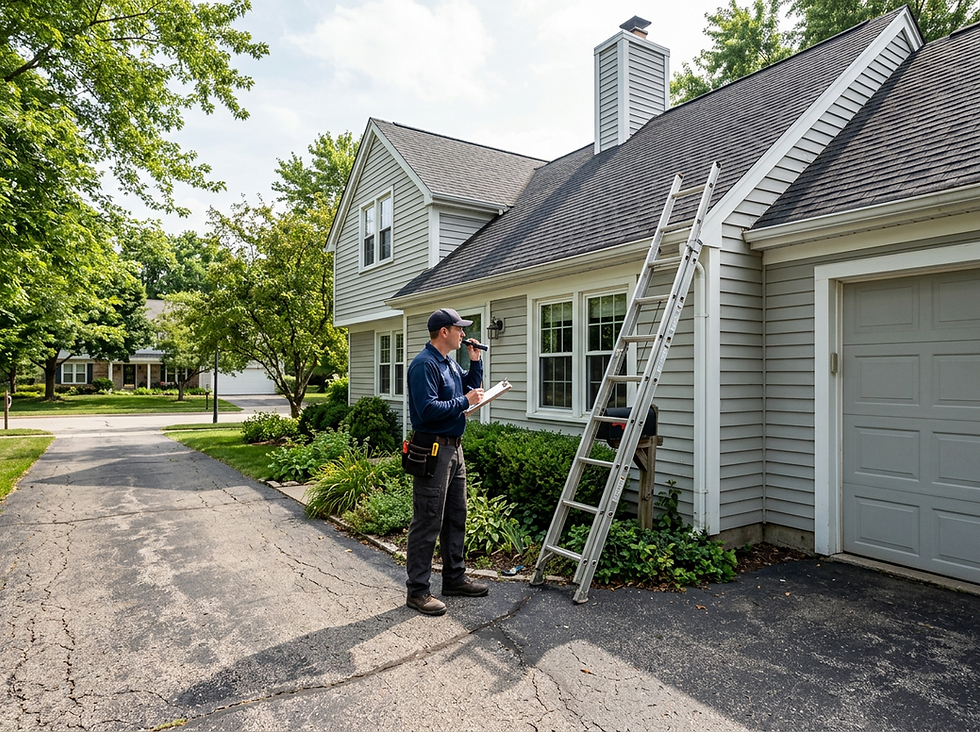
Inspectors may use binoculars, ladders, or drones to get a close look at hard-to-reach areas. They document their findings and provide recommendations for repairs or maintenance.
How Often Should You Schedule Inspections?
Most experts recommend scheduling a roof inspection at least once a year. The best time is usually in the spring or fall when weather conditions are mild. You should also arrange an inspection after severe weather events such as storms, heavy snowfall, or hail.
If your roof is older than 10 years, more frequent inspections may be necessary. Older roofs are more prone to damage and may require closer monitoring.
Benefits of Regular Roof Inspections
Save Money on Repairs
Catching small issues early prevents them from turning into costly problems. For example, a few missing shingles can lead to water leaks that damage your home’s interior, insulation, and even electrical systems. Repairing a small leak is far cheaper than fixing widespread water damage.
Extend Roof Lifespan
Routine inspections and maintenance help your roof last longer. Addressing minor wear and tear keeps the roof in good condition and delays the need for a full replacement. A well-maintained roof can last 20 to 30 years or more, depending on the materials.
Protect Your Home’s Value
A roof in good shape adds to your home’s curb appeal and market value. If you plan to sell your house, a recent inspection report can reassure buyers that the roof is sound and reduce negotiation issues.
Improve Energy Efficiency
Damaged roofs can cause heat loss in winter and heat gain in summer, increasing your energy bills. Inspections identify areas where insulation or ventilation may be compromised, allowing you to fix them and improve energy efficiency.
Ensure Safety
A damaged roof can pose safety risks such as falling debris or structural collapse in extreme cases. Regular inspections help identify hazards early and keep your home safe for your family.
Signs You Need a Roof Inspection Now
Even if you don’t have a scheduled inspection, watch for these warning signs that indicate your roof needs immediate attention:
Missing, cracked, or curling shingles
Dark streaks or stains on the roof surface
Water stains or leaks inside your home
Sagging or uneven roof areas
Granules from shingles accumulating in gutters
Excessive debris or moss growth on the roof
If you notice any of these, contact a roofing professional promptly.
Choosing a Qualified Roof Inspector
Not all inspections are equal. To get the most value, hire a licensed and experienced roofing professional. Look for someone who:
Has good reviews and references
Offers a detailed written report
Uses modern tools like drones or infrared cameras if needed
Explains findings clearly and answers your questions
Avoid companies that pressure you into unnecessary repairs or offer vague assessments.
What You Can Do Between Inspections
While professional inspections are essential, you can also take simple steps to maintain your roof:
Keep gutters clean to prevent water backup
Trim overhanging tree branches to avoid damage
Remove debris like leaves or branches from the roof surface
Check your attic for signs of leaks or moisture
Avoid walking on the roof unless necessary
These actions help reduce wear and extend the time between inspections.
Regular roof inspections are a smart investment for every homeowner. They protect your home, save money, and provide peace of mind. Schedule your next inspection soon and keep your roof in top condition for years to come.
Call David at Homegenix Home Inspections LLC
727-282-4047

Comments