


Why Getting a Home Inspection Before Making an Offer is Essential

Buying a home is one of the biggest financial decisions many people make in their lives. It’s easy to get caught up in the excitement of finding the perfect place, but skipping a home inspection can lead to costly surprises. A home inspection before making an offer gives you a clear picture of the property’s condition, helping you make a smart, informed decision. This post explains why a home inspection is essential and how it benefits you as a buyer.

Understanding What a Home Inspection Covers
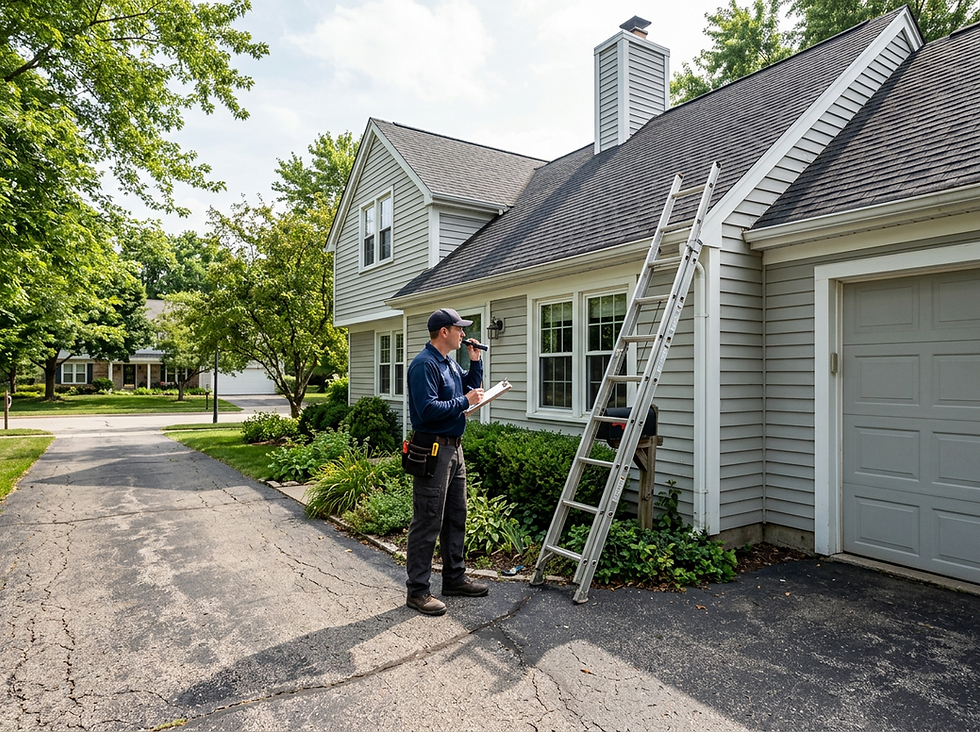
A home inspection is a thorough examination of a property’s major systems and components. A licensed inspector checks everything from the roof to the foundation, including:
Structural elements like walls, floors, and ceilings
Roofing condition and drainage
Plumbing systems and water heaters
Electrical wiring and panels
Heating, ventilation, and air conditioning (HVAC)
Windows, doors, and insulation
Signs of pests or water damage
The goal is to identify any existing problems or potential issues that could affect the home’s safety, livability, or value. This detailed report helps buyers avoid unexpected repairs after closing.
Protecting Your Investment
Homes can have hidden defects that are not visible during a casual walkthrough. For example, a roof might look fine but could be nearing the end of its lifespan. Electrical wiring might be outdated and unsafe. Plumbing leaks could cause mold growth behind walls. Without a home inspection, you risk buying a property with expensive problems.
By investing in an inspection, you protect your money. The cost of an inspection is small compared to the price of major repairs. If the inspection reveals serious issues, you can:
Negotiate a lower price
Request repairs before closing
Walk away from the deal if the problems are too severe
This gives you control and confidence in your purchase.
Negotiation Power and Transparency
A home inspection report is a powerful tool during negotiations. It provides documented evidence of the home’s condition, which can justify asking the seller to fix problems or reduce the price. Sellers often expect buyers to get inspections, so they are usually open to reasonable requests based on the findings.
For example, if the inspection shows the HVAC system needs replacement soon, you can ask the seller to cover part of the cost or lower the offer accordingly. This transparency helps both parties reach a fair agreement and avoids surprises later.
Avoiding Safety Hazards
Some home issues can pose serious safety risks. Faulty wiring can cause fires. Mold can trigger health problems. Structural damage can lead to collapse. A home inspection identifies these hazards so you can address them before moving in.
Knowing about safety concerns upfront protects your family and prevents costly emergency repairs. It also ensures the home meets local building codes and standards.
Planning Future Maintenance and Costs
A home inspection report not only highlights current problems but also points out areas that may need attention soon. This helps you plan for future maintenance and budget accordingly.
For example, if the inspector notes that the roof will likely need replacement in five years, you can start saving for that expense. Understanding the home’s condition over time helps you avoid surprises and maintain your property’s value.
Peace of Mind for Buyers
Buying a home can be stressful. A home inspection reduces uncertainty by giving you a clear understanding of what you’re buying. This peace of mind allows you to move forward with confidence, knowing you made a well-informed decision.
Even if the inspection reveals minor issues, you can feel secure knowing they are manageable and won’t affect your safety or comfort.
When to Schedule a Home Inspection
The best time to schedule a home inspection is after your offer is accepted but before you finalize the purchase contract. This timing allows you to:
Review the inspection report
Request repairs or credits
Decide whether to proceed with the sale
Avoid waiting until after closing, as this leaves you responsible for any problems discovered later.
Choosing the Right Home Inspector
Not all inspectors are the same. Look for a licensed, experienced professional with good reviews. Ask about their inspection process and what they include in their report. A thorough inspector will provide clear explanations and photos to help you understand the findings.
Real-Life Example
Consider a buyer who fell in love with a charming older home. The inspection revealed termite damage in the wooden beams supporting the floor. The cost to repair was significant, but the buyer used the report to negotiate a lower price and had the seller cover the treatment and repairs. Without the inspection, the buyer would have faced unexpected expenses after moving in.
Getting a home inspection before making an offer is a smart step that protects your investment, gives you negotiation power, and ensures your new home is safe and sound. It’s a small cost that can save you thousands and provide peace of mind. When you find a home you love, don’t skip the inspection—make it part of your buying process to make the best decision possible.
Call David at Homegenix Home Inspections LLC
727-282-4047


Comments