


When Should Your Home Inspector Recommend a Specialist

A good home inspection should reduce uncertainty. It should not pretend to answer questions that require tools, licenses, calculations, lab testing, or invasive access beyond a general inspection.
That is where specialist recommendations matter.
A home inspector is trained to evaluate the visible and accessible condition of the home. Most national home inspection standards describe the inspection as a visual, noninvasive examination of major systems and components. That means the inspector can identify defects, unsafe conditions, performance concerns, and signs that something needs deeper review. It does not mean the inspector can fully diagnose every hidden cause or design a repair.
A specialist recommendation is appropriate when the finding goes beyond the scope of a general home inspection, carries a safety risk, may involve major cost, or needs a licensed trade to verify the issue.
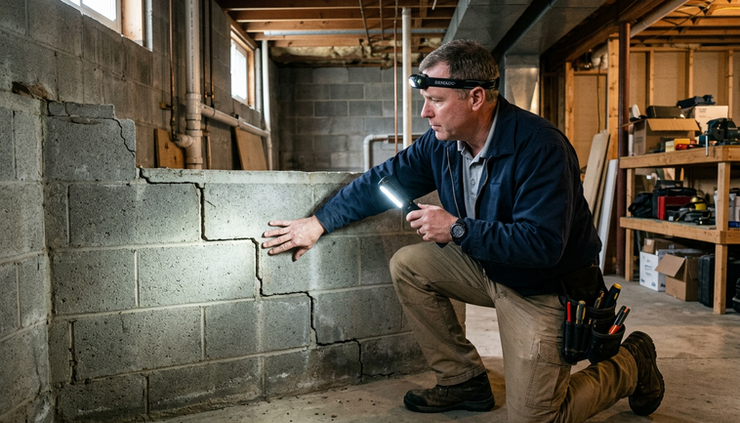
A home inspector should recommend a specialist when the risk is beyond a visual inspection
A home inspection is broad by design. One inspection may cover the roof, attic, structure, exterior, plumbing, electrical, heating and cooling, insulation, ventilation, interior rooms, appliances, and drainage concerns. Wide coverage is useful, but it has limits.
A specialist should be recommended when a finding needs one of these:
Licensed evaluation
Electrical panel defects, gas appliance issues, and structural movement often require a licensed electrician, plumber, HVAC technician, or structural engineer.
Special tools or testing
Sewer camera scopes, air sampling, moisture mapping, gas leak testing, and chimney video inspections go beyond a standard visual inspection.
Engineering judgment
Foundation movement, sagging framing, altered load-bearing walls, and improper structural modifications may need calculations or design input.
Invasive access
If the concern is hidden behind walls, under flooring, below grade, or inside a sealed system, the inspector usually cannot confirm the full extent without further evaluation.
A safety concern
Fire hazards, carbon monoxide risks, electrical shock hazards, suspected structural instability, and unsafe stairs should not be left as casual observations.
The key is scope. A general inspector can say, “This condition is visible and concerning.” A specialist can often say, “Here is the cause, here is the required repair, and here is whether the work meets code or trade standards.”
Structural concerns often deserve the highest level of caution
Structural findings are one of the clearest reasons for a specialist referral. Small cracks are common in many homes, but some patterns can point to movement, settlement, moisture pressure, or framing weakness.
A home inspector should recommend a structural engineer or qualified foundation specialist when they see signs such as:
Differential settlement where one part of the home appears to have shifted
Horizontal foundation cracks or stair-step cracks with displacement
Bowed basement walls
Sagging floors or rooflines
Doors and windows that bind along with visible cracking
Removed or altered supports in a basement, crawl space, or attic
Cut, notched, or damaged framing members
Decks, porches, or balconies with unsafe movement or poor support
The reason is simple. Structural repairs can be expensive, and the wrong repair can fail. A crack patch may hide movement without fixing the cause. A temporary post may not carry the load correctly. A structural engineer can evaluate load paths, soil-related movement, water impact, and needed repairs.
This does not mean every hairline drywall crack needs an engineer. The recommendation should match the evidence. A single minor drywall crack in an older home may be documented as typical settlement. A crack combined with sloped floors, foundation displacement, and sticking doors is a different matter.
Electrical issues need a licensed electrician when safety is involved
Electrical systems are one of the most common areas where a home inspector should call for a specialist. The risk is not only repair cost. It is fire, shock, and personal safety.
The National Fire Protection Association has long identified electrical distribution and lighting equipment as a common source of home electrical fires. A home inspector does not need to predict a fire to recommend an electrician. Visible hazards are enough.
Common reasons for referral include:
Exposed live wiring
Double-tapped breakers where not allowed
Overheating signs inside or near the electrical panel
Missing covers that expose energized parts
Improperly installed wiring
Unprotected splices
Aluminum branch wiring concerns
Ungrounded outlets where grounding is expected
Repeatedly tripping breakers reported by the occupants
Water intrusion near electrical components
A general inspection may include removing the electrical panel cover when safe and accessible, testing a representative number of outlets, and checking visible wiring. It does not include load calculations for every circuit, tracing all hidden wiring, or correcting unsafe work.
A good report should avoid vague language like “electrical issue present” when the condition is more serious. Better wording identifies the observed condition and recommends evaluation and repair by a licensed electrician.
Plumbing and drainage problems can hide larger failures
Plumbing defects are sometimes obvious. A leaking drain trap under a sink is visible and direct. Other issues are not so simple.
A specialist recommendation is wise when the visible clue may point to a larger hidden problem. Examples include:
Active leaks at supply or drain lines
Staining below bathrooms, kitchens, or laundry areas
Low water pressure throughout the home
Slow drains in multiple fixtures
Sewage odor inside or outside
Evidence of past sewer backups
Corroded, damaged, or improperly supported piping
Water heater safety defects
Suspected main sewer line damage
A standard home inspection does not include a camera inspection of underground sewer piping. Yet sewer line repairs can be major, especially when piping runs under a slab, driveway, mature trees, or a finished yard. If multiple drains are slow, if the home is older, or if there is evidence of prior backup, a sewer scope by a qualified plumbing professional may be appropriate.
Drainage around the home also matters. Roof runoff that dumps near the foundation, poor grading, clogged underground drains, and damp crawl spaces can all contribute to structural and moisture problems. The inspector can document what is visible. A drainage contractor, plumber, or foundation specialist may need to evaluate the full system if water intrusion is active or recurring.

Roof and attic findings may need a roofing contractor or engineer
A home inspector usually views the roof from the ground, ladder, window, roof surface when safe, or by other accessible means. Weather, roof height, slope, covering type, and surface condition can limit access.
A roofing specialist should be recommended when the inspector sees conditions such as:
Active roof leaks or moisture stains in the attic
Damaged, missing, or deteriorated roof coverings
Improper flashing at chimneys, walls, skylights, or valleys
Soft or damaged roof decking
Poor attic ventilation linked to moisture or heat damage
Sagging roof framing
Evidence of repeated patching
Unsafe roof access that prevents full inspection
Not every roof defect requires a specialist. A missing sealant bead or a single damaged shingle may be within the inspector’s ability to identify clearly. But when the remaining roof life is uncertain, leakage is active, or the roof structure appears compromised, a roofing contractor or structural engineer should evaluate further.
The attic often provides the best evidence. Wet sheathing, daylight at penetrations, compressed insulation, dark staining, or mold-like growth can point to issues above or below the roof surface. The inspector should document those clues and recommend the right next step.
Heating, cooling, fireplaces, and combustion appliances have safety limits
Heating and cooling equipment can be complex. A home inspector may operate systems using normal controls when conditions allow. The inspection may note age, visible damage, poor installation, missing safety components, abnormal operation, or signs of deferred maintenance.
A licensed HVAC technician should be recommended when there are findings such as:
The system does not respond to normal controls
Unusual noise, vibration, or odor occurs during operation
The furnace flame pattern appears abnormal
Exhaust venting is damaged, disconnected, or improperly sloped
Condensate leaks are present
The cooling system is not producing expected temperature difference
The heat exchanger is suspected to be damaged
Safety switches or covers are missing
The system appears improperly modified
Combustion appliances deserve special care because they can create carbon monoxide hazards if they burn fuel or vent exhaust incorrectly. The U.S. Environmental Protection Agency and other public health agencies recommend carbon monoxide alarms in homes with fuel-burning equipment or attached garages. That is not a substitute for proper appliance evaluation, but it shows why venting and combustion concerns should be taken seriously.
Fireplaces and chimneys are another common referral area. A basic home inspection may include visible portions of the fireplace and chimney. It does not replace a specialized chimney inspection, especially if there are cracked flue liners, damaged masonry, creosote buildup, smoke staining, poor draft, or evidence that the fireplace has not been maintained.
Environmental and pest concerns often require testing or treatment
Some issues cannot be confirmed by sight alone. A home inspector may see suspected microbial growth, pest damage, or materials that look like they could contain regulated substances. The inspector should be careful with wording. Guessing is not the same as testing.
Specialist referrals are appropriate for:
Concern | Why a specialist may be needed |
Suspected mold-like growth | Lab testing or moisture source evaluation may be needed to confirm and correct the problem. |
Termite or wood-destroying insect evidence | A pest specialist can identify activity, extent of damage, and treatment options. |
Rodent activity | A pest specialist can find entry points and recommend sanitation and exclusion. |
Radon concerns | Testing is the only way to know the radon level in a home. |
Lead-based paint concerns | Homes built before 1978 may contain lead-based paint, and certified testing may be needed before disturbance. |
Asbestos-suspect materials | Visual identification is not enough. Sampling and handling rules matter. |
The age of the home can guide the recommendation. For example, federal rules banned consumer use of lead-based paint in residential properties after 1978. That makes lead paint a relevant concern in older homes, especially where painted surfaces are deteriorated or renovation is planned.
Radon is another example. The EPA states that radon is a naturally occurring radioactive gas and that testing is the only way to determine if a home has elevated levels. A home inspector may offer testing if qualified, but a visual inspection cannot confirm radon levels.
The recommendation should be specific, not a way to avoid responsibility
Specialist referrals are useful when they are tied to real findings. They become less helpful when the report recommends a specialist for nearly everything without explaining why.
A strong recommendation includes:
The observed condition
The report should state what the inspector saw, such as “horizontal crack with inward displacement at the foundation wall.”
The concern
The report should explain why it matters, such as “this pattern can be associated with soil pressure and wall movement.”
The recommended specialist
The report should name the type of specialist, such as a structural engineer, licensed electrician, qualified plumber, roofing contractor, HVAC technician, pest specialist, or environmental testing professional.
The timing
Safety issues and major unknowns should be evaluated before closing or before continued use. Routine maintenance can often be scheduled after ownership, depending on the transaction and risk.
The next action
The report should say whether evaluation, repair, testing, or further invasive inspection is recommended.
A weak version says, “Have this checked.” A better version says, “Have the damaged and improperly supported deck ledger evaluated and repaired by a qualified deck contractor or structural engineer before use.”
The second version gives context, risk, and direction.
Buyers and sellers should use specialist referrals to make better decisions
A specialist recommendation does not always mean the house is a bad purchase. It means the decision needs better information.
For buyers, the goal is to understand risk before committing. A specialist may confirm a minor repair, estimate a major correction, or identify a safety issue that changes negotiations. The value comes from clarity.
For sellers, a referral can help separate small defects from major concerns before listing. If a specialist evaluates a questionable roof, foundation, or electrical issue ahead of time, the seller may be able to repair it, price it accurately, or disclose it clearly.
In both cases, the timing matters. If the finding could affect safety, insurance, financing, or major cost, waiting until after closing can create avoidable problems.
When a specialist may not be necessary
Not every defect needs a referral. A home inspector may be able to document straightforward items without sending every small repair to a trade specialist.
Examples may include:
A missing doorstop
A loose toilet seat
Minor caulking gaps at a countertop
A damaged window screen
A missing cabinet pull
A single inoperable light where the likely issue is the bulb
Minor grading maintenance where no water intrusion is present
That said, simple items can become referral-worthy when they connect to a bigger pattern. One slow drain may be minor. Several slow drains may suggest a sewer concern. One small drywall crack may be cosmetic. Cracks paired with foundation movement may be structural.
The difference is evidence, risk, and scope.

A good referral protects everyone involved
The best inspectors know where their expertise ends. That is not a weakness. It is part of doing the job correctly.
A home inspector should recommend a specialist when the concern involves safety, hidden conditions, major cost, specialized testing, licensed trade work, or engineering judgment. The recommendation should be based on visible evidence and written clearly enough that the next professional knows what to evaluate.
If a report lists a specialist referral, read it closely. Look for the observed condition, the reason it matters, and the recommended next step. Then follow through before the issue becomes more expensive, more dangerous, or harder to document.
For a thorough inspection report with clear findings and practical next steps, schedule with Homegenix Inspections. A strong inspection should tell you what was seen, what it may mean, and when a specialist should take the closer look.


Comments