


Understanding the Signs of Foundation Cracking and How to Address Them

Foundation cracks can be a serious issue for any homeowner. They often signal underlying problems that, if left untreated, may lead to costly repairs or even structural failure. Recognizing the signs early and knowing what steps to take can save you time, money, and stress. This post will guide you through the common signs of foundation cracking and practical ways to address them effectively.
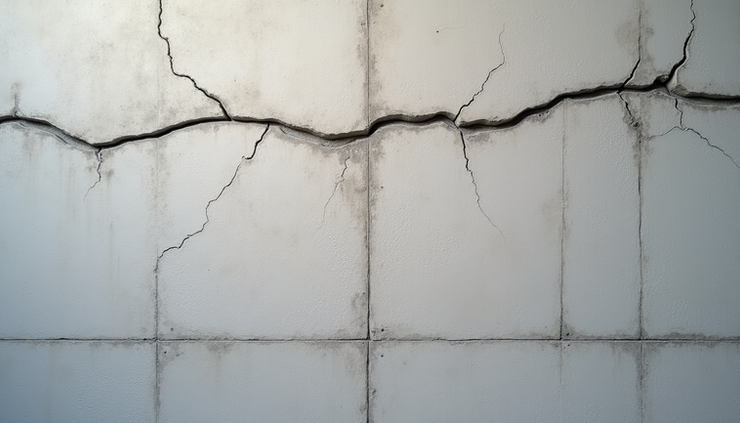
Common Signs of Foundation Cracking
Foundation cracks come in various forms and sizes. Some cracks are harmless, while others indicate serious structural issues. Here are the most common signs to watch for:
1. Visible Cracks in Walls and Floors
One of the first signs of foundation problems is cracks appearing in your home’s interior or exterior walls. These cracks can be:
Vertical cracks: Usually caused by normal settling and often less serious.
Horizontal cracks: More concerning, as they may indicate pressure from soil pushing against the foundation.
Stair-step cracks: Found in brick or block walls, these cracks follow the mortar joints and suggest uneven settling.
Cracks in floors, especially concrete slabs, can also indicate foundation movement. Pay attention to cracks wider than 1/8 inch or those that grow over time.
2. Doors and Windows That Stick or Don’t Close Properly
If your doors or windows suddenly become difficult to open or close, it might be due to foundation shifting. Misaligned frames caused by foundation movement can cause gaps or tight spots.
3. Gaps Between Walls, Ceilings, and Floors
Noticeable gaps where walls meet ceilings or floors can signal foundation settling. These gaps often appear near corners or around door frames.
4. Uneven or Sloping Floors
A foundation that is cracking or shifting can cause floors to become uneven or sloped. You might feel a noticeable tilt when walking across a room or see furniture rolling on its own.
5. Cracks in the Foundation Itself
Inspect your foundation walls and floors for cracks. Horizontal or wide cracks, especially those that appear suddenly or grow quickly, are red flags.
What Causes Foundation Cracking?
Understanding the causes helps in addressing the problem correctly. Common causes include:
Soil movement: Expanding clay soils or shrinking soils due to drought can cause the foundation to shift.
Poor drainage: Water pooling near the foundation can erode soil and increase pressure on walls.
Tree roots: Roots growing under or near the foundation can cause cracks by pushing or absorbing moisture unevenly.
Construction defects: Poor workmanship or use of substandard materials can lead to weak foundations.
Natural settling: New homes often settle in the first few years, which may cause minor cracks.
How to Assess the Severity of Foundation Cracks
Not all cracks require immediate repair. Here’s how to evaluate them:
Width: Cracks less than 1/8 inch wide are usually minor. Wider cracks need attention.
Direction: Horizontal and stair-step cracks are more serious than vertical ones.
Location: Cracks near doors, windows, or corners are more concerning.
Progression: Monitor cracks over time. If they grow or multiply, seek professional advice.
Steps to Take When You Notice Foundation Cracks
1. Document the Cracks
Take clear photos and note the size, location, and any changes over time. This information will help professionals diagnose the problem.
2. Check for Additional Signs
Look for other symptoms like sticking doors, uneven floors, or water pooling near the foundation.
3. Improve Drainage Around Your Home
Ensure gutters and downspouts direct water away from the foundation. Avoid planting water-loving plants near the foundation that can cause soil expansion.
4. Consult a Foundation Specialist
A structural engineer or foundation repair expert can assess the damage and recommend solutions. They may perform soil tests or use specialized equipment to measure movement.
5. Consider Repair Options
Depending on the cause and severity, repairs may include:
Epoxy or polyurethane injections to seal small cracks.
Underpinning to stabilize and support the foundation.
Installing drainage systems like French drains.
Soil stabilization through moisture control or chemical treatment.
Preventing Future Foundation Problems
Prevention is key to avoiding foundation cracks. Here are some tips:
Maintain consistent moisture levels around your home by watering during dry spells.
Keep gutters clean and ensure proper drainage.
Avoid planting large trees too close to the foundation.
Schedule regular inspections, especially if you live in an area with expansive soils.
When to Act Quickly
Certain signs require immediate action:
Large horizontal cracks wider than 1/4 inch.
Doors or windows that suddenly jam or won’t close.
Noticeable foundation movement or sinking.
Water leaking into the basement or crawl space.
Delaying repairs can lead to more extensive damage and higher costs.
#


Comments