


Understanding the Basics of a 4-Point Inspection - 4-Point Inspection Overview
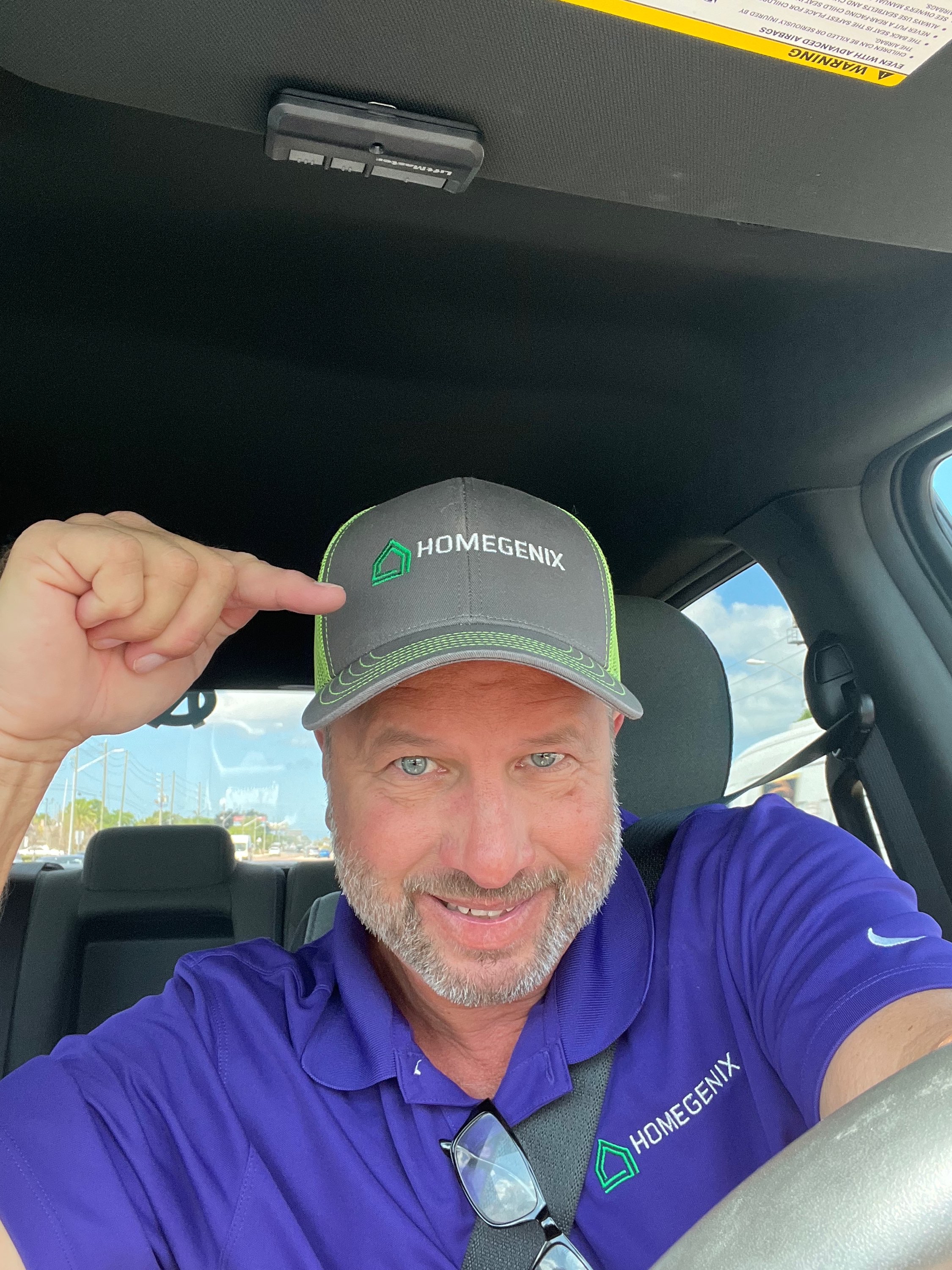
When you are preparing to buy a home or assist a client in the real estate market, understanding the condition of the property is crucial. One of the key tools to help you make an informed decision is a 4-point inspection. This inspection focuses on four critical components of a home, providing a snapshot of its overall condition. As an InterNACHI certified and Google Guaranteed inspector serving Seminole, FL, Pinellas, Pasco, and Hillsborough counties, I am here to guide you through the essentials of this inspection and how it benefits you.
4-Point Inspection Overview
A 4-point inspection is a specialized home inspection that evaluates four main areas of a property:
Roofing
Electrical system
Plumbing system
HVAC (Heating, Ventilation, and Air Conditioning)
Unlike a full home inspection, which covers every aspect of a property, the 4-point inspection zeroes in on these critical systems. This type of inspection is often required by insurance companies, especially for older homes, to assess risk before issuing or renewing a policy.
The goal is to identify any major issues that could affect the safety, functionality, or insurability of the home. For example, a damaged roof or outdated electrical wiring can pose significant risks and may require immediate attention.
If you want to learn more about what is a 4 point inspection, this link provides detailed information from a trusted source.

Why a 4-Point Inspection is Important for You
Whether you are buying a home or working as a real estate agent, a 4-point inspection offers several benefits:
Insurance Approval: Many insurance companies require this inspection before issuing or renewing policies, especially for homes over 30 years old.
Risk Assessment: It helps identify potential hazards that could lead to costly repairs or safety issues.
Negotiation Tool: If problems are found, you can negotiate repairs or price adjustments with the seller.
Peace of Mind: Knowing the condition of these critical systems helps you make confident decisions.
For example, if the inspection reveals an outdated electrical system, you might request the seller to update it before closing. This can prevent future electrical hazards and ensure your insurance coverage is not jeopardized.

What is the average cost of a 4-point inspection in Florida?
In Florida, the cost of a 4-point inspection typically ranges between $100 and $300, depending on the size and age of the home, as well as the location. Homes in Seminole, Pinellas, Pasco, and Hillsborough counties may have slight variations in pricing due to market demand and inspector availability.
Here are some factors that influence the cost:
Home Size: Larger homes may require more time to inspect.
Age of the Property: Older homes might have more complex systems to evaluate.
Additional Services: Some inspectors offer bundled services or full home inspections alongside the 4-point inspection.
Choosing a certified and experienced inspector ensures you get a thorough evaluation without unnecessary expenses. Investing in a quality inspection can save you thousands in future repairs and insurance issues.
What Does Each Component of the 4-Point Inspection Include?
Understanding what the inspector looks for in each area can help you prepare and know what to expect.
Roofing
The inspector checks the roof’s age, condition, and any signs of leaks or damage. They look for:
Missing or damaged shingles
Signs of water intrusion
Structural integrity of the roof deck
Condition of gutters and downspouts
A roof nearing the end of its lifespan or with visible damage can be a red flag for insurance companies.
Electrical System
This part focuses on the home’s wiring, panels, and outlets. The inspector evaluates:
Type and condition of wiring (e.g., knob and tube, aluminum wiring)
Functionality of circuit breakers and fuses
Presence of outdated or unsafe electrical components
Proper grounding and bonding
Unsafe or outdated electrical systems can pose fire hazards and may require costly upgrades.
Plumbing System
The plumbing inspection covers:
Type of pipes (copper, PVC, galvanized steel)
Signs of leaks or corrosion
Condition of water heater and fixtures
Proper drainage and venting
Leaking pipes or old plumbing materials can lead to water damage and mold growth.
HVAC System
The heating and cooling systems are checked for:
Age and condition of the furnace and air conditioner
Proper operation and maintenance
Signs of leaks or damage in ductwork
Adequate ventilation
A malfunctioning HVAC system can affect comfort and energy efficiency.
How to Prepare for a 4-Point Inspection
To get the most accurate and efficient inspection, consider these tips:
Clear Access: Make sure the inspector can easily access the roof, electrical panel, plumbing areas, and HVAC units.
Provide Documentation: If you have maintenance records or previous inspection reports, share them with the inspector.
Be Present: Attend the inspection if possible to ask questions and get immediate feedback.
Address Minor Issues: Fix small problems like clogged gutters or leaking faucets before the inspection to avoid unnecessary concerns.
By preparing your home, you help the inspector perform a thorough evaluation and provide you with a detailed report.
What Happens After the 4-Point Inspection?
Once the inspection is complete, you will receive a detailed report outlining the condition of each system. This report will include:
Photos of any issues found
Recommendations for repairs or replacements
Notes on the overall condition and safety concerns
Use this report to:
Discuss repairs with the seller or contractor
Provide documentation to your insurance company
Plan for future maintenance or upgrades
If major issues are discovered, it may impact your decision to proceed with the purchase or require renegotiation.
Why Choose Homegenix Home Inspections LLC?
At Homegenix Home Inspections LLC, we pride ourselves on delivering thorough and detailed home inspection services. As an InterNACHI certified and Google Guaranteed inspector, I am committed to helping you understand your real estate investment fully.
Serving Seminole, Pinellas, Pasco, and Hillsborough counties, I offer:
Comprehensive 4-point inspections tailored to your needs
Clear, easy-to-understand reports with actionable advice
Friendly, professional service with your best interests in mind
Choosing a trusted inspector means you get peace of mind and confidence in your home purchase or sale.
By understanding the basics of a 4-point inspection, you are better equipped to navigate the home buying or selling process. This focused inspection provides valuable insights into the most critical systems of a home, helping you avoid surprises and make smart decisions.
If you want to schedule a 4-point inspection or have questions about your property, feel free to reach out. Your investment deserves the best care and attention.


Comments