


The Importance of Home Inspections When Buying a New Home

Buying a new home is one of the biggest investments most people make in their lifetime. The excitement of finding the perfect place can sometimes overshadow the practical steps needed to protect that investment. One crucial step is the home inspection. Many buyers wonder if a home inspection is necessary when purchasing a new home. The answer is yes, and this article explains why a home inspection is essential, what it involves, and how it can save you money and stress in the long run.

Why a Home Inspection Matters Even for New Homes
New homes might seem flawless at first glance, but construction defects, overlooked issues, or code violations can still exist. A home inspection provides an independent, professional evaluation of the property’s condition. Here are some reasons why it matters:
Uncover hidden problems: Even brand-new homes can have plumbing leaks, electrical faults, or structural issues that are not visible during a casual walkthrough.
Verify builder’s work: A home inspection confirms that the builder followed proper construction standards and local building codes.
Negotiate repairs or price adjustments: If the inspection reveals problems, buyers can request repairs or negotiate a better price before closing.
Avoid costly surprises: Identifying issues early prevents expensive repairs after moving in.
Peace of mind: Knowing the home’s condition helps buyers feel confident about their purchase.
What Does a Home Inspection Include?
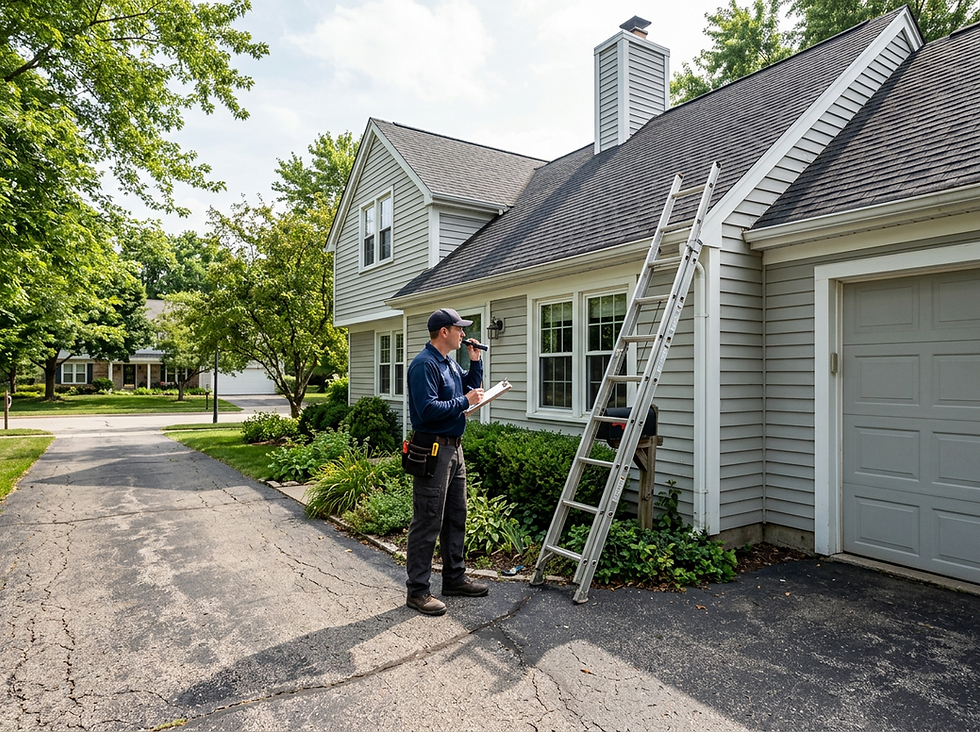
A typical home inspection covers all major systems and components of the house. The inspector will examine:
Foundation and structure: Checking for cracks, settling, or other damage.
Roof and gutters: Looking for leaks, missing shingles, or drainage problems.
Plumbing system: Inspecting pipes, water heaters, faucets, and drainage.
Electrical system: Testing outlets, breakers, wiring, and safety features.
Heating and cooling systems: Evaluating furnaces, air conditioners, and ventilation.
Interior elements: Walls, ceilings, floors, windows, and doors.
Insulation and ventilation: Ensuring energy efficiency and moisture control.
Appliances: Confirming proper operation of built-in appliances.
The inspector will provide a detailed report with photos and explanations of any issues found.
When Should You Schedule a Home Inspection?
Timing is important to get the most benefit from a home inspection. Ideally, schedule the inspection after your offer is accepted but before finalizing the purchase contract. This timing allows you to:
Review the inspection report carefully.
Request repairs or credits from the seller.
Decide whether to proceed with the purchase based on the findings.
For new construction homes, some buyers choose to have multiple inspections:
Pre-drywall inspection: To check framing, wiring, and plumbing before walls are closed.
Final inspection: After construction is complete but before closing.
This approach helps catch issues early and ensures the builder addresses them.
How to Choose a Qualified Home Inspector
Not all home inspectors have the same level of expertise or thoroughness. To find a qualified inspector:
Look for certifications from recognized organizations such as the American Society of Home Inspectors (ASHI) or International Association of Certified Home Inspectors (InterNACHI).
Check reviews and ask for recommendations from real estate agents or friends.
Confirm the inspector has experience with new construction homes.
Ask about the inspection process and what is included.
Request a sample inspection report to understand the level of detail.
Hiring a skilled inspector is an investment that pays off by providing a clear picture of the home’s condition.
Common Issues Found in New Homes
Even new homes can have defects that affect safety, comfort, or value. Some common problems include:
Improperly installed roofing or flashing causing leaks.
Plumbing leaks or poor water pressure.
Electrical wiring not up to code or unsafe outlets.
HVAC systems that do not function efficiently.
Cracks in the foundation or walls.
Poor insulation leading to high energy bills.
Doors and windows that do not seal properly.
Identifying these issues early allows buyers to address them with the builder or negotiate solutions.
The Cost of Skipping a Home Inspection
Some buyers skip the inspection to save money or speed up the process. This decision can lead to:
Unexpected repair bills that cost thousands of dollars.
Safety hazards such as faulty wiring or mold.
Reduced home value due to hidden defects.
Stress and frustration after moving in.
The cost of a home inspection is usually a few hundred dollars, a small price compared to the potential expenses and risks of undiscovered problems.
What to Do After the Inspection
Once you receive the inspection report:
Review the findings carefully and prioritize issues.
Discuss the report with your real estate agent or attorney.
Request repairs or credits from the seller based on the report.
Consider a follow-up inspection if repairs are made.
Use the report to plan future maintenance and improvements.
Taking action based on the inspection helps protect your investment and ensures a safer, more comfortable home.
Final Thoughts on Home Inspections for New Homes
A home inspection is a vital step when buying a new home. It reveals hidden problems, verifies construction quality, and provides leverage for negotiations. Skipping this step risks costly repairs and safety issues that can turn your dream home into a nightmare. By investing in a thorough inspection, you gain confidence and control over one of the most important purchases of your life.
If you are planning to buy a new home, schedule a professional home inspection early in the process. It is a smart decision that saves money, reduces stress, and helps you move into your new home with peace of mind.


Comments