


The Decline of Pull Out Main Fuses in Modern Electrical Panels

Electrical safety and reliability are critical in every building, whether residential or commercial. One key component that has seen significant change over the years is the main fuse in electrical panels. Pull out main fuses, once a common feature in electrical systems, are now rarely used in modern panels. This shift reflects advances in technology, safety standards, and practical considerations. Understanding why pull out main fuses have fallen out of favor and why they must be replaced is essential for homeowners, electricians, and anyone involved in electrical maintenance or upgrades.
What Are Pull Out Main Fuses?
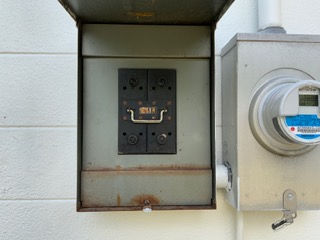
Pull out main fuses are large fuses designed to protect the entire electrical system of a building. They are installed in the main electrical panel and can be physically pulled out to disconnect power. These fuses were standard in many homes and buildings throughout the 20th century. Their design allowed for a simple way to interrupt the electrical supply in case of an overload or short circuit.
The fuse element inside melts when the current exceeds a certain limit, breaking the circuit and preventing damage or fire. The pull out mechanism also served as a manual disconnect switch, allowing electricians to safely work on the system.
Why Pull Out Main Fuses Are No Longer Used
Safety Concerns
One of the primary reasons pull out main fuses are being phased out is safety. While they provided basic protection, they have several drawbacks:
Arc Flash Hazard: When a fuse blows, it can create an arc flash, a dangerous electrical explosion. Pull out fuses do not contain this arc effectively, posing a risk to anyone nearby.
No Visible Break: Unlike modern circuit breakers, pull out fuses do not provide a clear visual indication of whether the circuit is open or closed. This can lead to confusion and accidental contact with live parts.
Manual Handling Risks: Physically pulling out a fuse can expose the user to live electrical parts, increasing the risk of electric shock.
Limited Protection and Functionality
Pull out fuses offer only basic overcurrent protection. They cannot be reset and must be replaced after they blow. This leads to several issues:
Downtime: Replacing fuses takes time and requires spare parts, which can delay restoring power.
No Ground Fault or Arc Fault Protection: Modern electrical codes require protection against ground faults and arc faults, which pull out fuses cannot provide.
No Selective Coordination: Pull out fuses do not allow for selective coordination, meaning a fault in one part of the system can cause the entire panel to lose power.
Changes in Electrical Codes and Standards
Electrical codes have evolved to improve safety and reliability. The National Electrical Code (NEC) and other standards now favor circuit breakers over fuses for main panel protection. Circuit breakers offer:
Resettable Protection: They can be reset after tripping, reducing downtime.
Better Safety Features: Circuit breakers have built-in mechanisms to reduce arc flash risks and provide clear status indicators.
Advanced Protection Options: Modern breakers include ground fault and arc fault interrupters.
Because of these code changes, many jurisdictions no longer approve new installations with pull out main fuses.
Benefits of Modern Circuit Breakers Over Pull Out Fuses
Replacing pull out main fuses with modern circuit breakers brings several advantages:
Improved Safety: Circuit breakers reduce the risk of arc flash and electric shock.
Convenience: Resetting a breaker is faster and easier than replacing a fuse.
Enhanced Protection: Breakers can detect different types of faults, including ground faults and arc faults.
Clear Status Indication: Breakers show whether they are on or off, helping users and electricians avoid mistakes.
Better System Coordination: Breakers can be selected to trip in a sequence that isolates faults without shutting down the entire system.
Practical Examples of Replacement
Consider a residential building with an old electrical panel equipped with pull out main fuses. The homeowner experiences frequent power interruptions due to blown fuses. Each time, an electrician must visit to replace the fuse, causing inconvenience and expense.
By upgrading to a modern panel with circuit breakers, the homeowner gains:
The ability to reset breakers without waiting for a technician.
Enhanced protection against electrical faults.
Compliance with current electrical codes, which can improve home resale value.
In commercial settings, replacing pull out fuses is even more critical. Businesses rely on continuous power, and downtime can lead to lost revenue. Modern breakers minimize downtime and improve safety for employees and equipment.
How to Identify Pull Out Main Fuses in Your Panel
If you are unsure whether your electrical panel uses pull out main fuses, look for these signs:
Large cylindrical or rectangular fuse holders that can be physically pulled out.
A panel labeled with fuse ratings rather than circuit breaker amperages.
Older panel models, often installed before the 1980s.
If you find pull out main fuses, it is wise to consult a licensed electrician about upgrading your panel.
Steps to Replace Pull Out Main Fuses
Replacing pull out main fuses involves several steps:
Assessment: A professional inspects the existing panel and electrical system.
Planning: The electrician selects a new panel with appropriate circuit breakers that meet current codes.
Power Shutdown: The main power supply is safely disconnected.
Removal: The old panel with pull out fuses is removed.
Installation: The new panel with circuit breakers is installed and wired.
Testing: The system is tested to ensure proper operation and safety.
Inspection: Local authorities may inspect the work to verify code compliance.
This process requires professional expertise and should never be attempted by untrained individuals.
Cost Considerations
Replacing pull out main fuses with a modern panel involves upfront costs, including equipment and labor. However, the investment pays off by:
Reducing maintenance and repair expenses.
Increasing safety and reducing liability.
Improving energy efficiency and system reliability.
Potentially lowering insurance premiums due to improved safety.
Homeowners and business owners should view this upgrade as a long-term safety and financial benefit.
Call David at Homegenix Home Inspections LLC
727-282-4047


Comments