


Why Choose Homegenix Home Inspections Over Other Home Inspectors

A home can look solid on the surface and still hide expensive problems behind walls, under floors, on the roof, or inside major systems. That is why the quality of the home inspection matters so much.
A good inspection does more than check a box in the buying process. It gives clear information, reduces surprises, and helps people make better decisions before committing to a property. Choosing the right inspector can affect negotiations, repair planning, insurance questions, and long-term maintenance.
That is where Homegenix Home Inspections stands out. The difference is not just that an inspector shows up with a flashlight and a checklist. The difference is in the way the inspection is performed, explained, documented, and supported after the visit.

Homegenix focuses on clarity, not confusion
Some inspection reports create more stress than confidence. They may be packed with technical terms, vague notes, or long lists of issues without explaining what matters most.
Homegenix Home Inspections takes a more useful approach. The goal is to make the condition of the home understandable. A report should help answer practical questions:
What is working as expected?
What needs repair?
What should be watched over time?
What may need a specialist?
What could affect safety, cost, or comfort?
That level of clarity matters because most people are not buying a home every week. Even experienced buyers can miss details when emotions, deadlines, and paperwork pile up. A clear inspection helps turn an overwhelming decision into a more informed one.
A strong inspection report should not make people guess. It should explain the concern, show where it was found, include photos when helpful, and describe why it matters.
That is one of the reasons many people choose Homegenix over other home inspectors. The inspection is not treated as a quick walk-through. It is treated as a careful review of a major investment.
The inspection process looks at the home as a whole
A home is a connected system. Roof drainage affects foundations. Attic ventilation can affect moisture. Plumbing leaks can affect flooring, framing, and indoor air quality. Electrical defects can create safety concerns that are easy to overlook during a showing.
A weaker inspection may look at each part of the home in isolation. A better inspection connects the dots.
Homegenix looks at the visible and accessible systems and components that help tell the larger story of the property. That includes major areas such as:
Roof covering and visible roof components
Exterior walls, siding, trim, doors, and windows
Grading and drainage conditions around the home
Foundation and structural indicators
Attic, insulation, and ventilation
Electrical panels, wiring, outlets, and visible fixtures
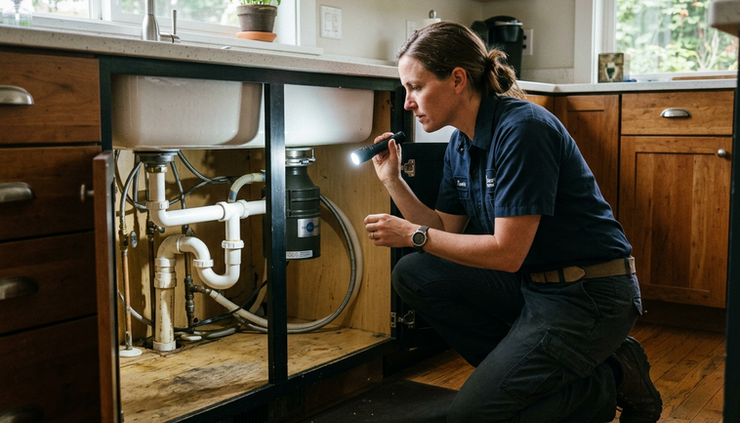
Plumbing supply, drains, water heaters, and fixtures
Heating and cooling equipment
Interior walls, ceilings, floors, stairs, and built-in features
The purpose is not to scare anyone away from a home. Every property has defects, age-related wear, or maintenance needs. The real value comes from sorting normal wear from meaningful concerns.
For example, a loose door handle and a damaged electrical panel cover should not carry the same weight. A small cosmetic crack in drywall is different from a crack pattern that suggests movement. A stained ceiling that is dry at the time of inspection still deserves context, because it may point to a past leak.
Homegenix helps make those distinctions clearer.
Communication before, during, and after the inspection matters
The inspection appointment is only one part of the service. Communication before and after the inspection can make a big difference.
Before the inspection, clients often need to know what will be reviewed, how long the appointment may take, and what areas need access. Good communication helps set expectations and prevents confusion.
During the inspection, the best inspectors stay focused while still making room for important questions. A buyer may want to understand a furnace, a seller may want to prepare for listing, or a homeowner may want help prioritizing repairs. Clear explanations at the property can be valuable, especially when paired with a written report later.
After the inspection, questions often come up while reading the report or discussing repairs. Homegenix values plain-language follow-up because the report should be a tool, not a dead end.
That kind of communication is one of the most practical reasons to choose Homegenix Home Inspections over a cheaper or rushed alternative. A low price does not help much if the final report is hard to understand or nobody explains the findings.
Homegenix helps buyers make stronger decisions
For buyers, a home inspection can shape one of the biggest decisions in the transaction. It can help with repair requests, price discussions, future budgeting, or choosing whether to move forward.
The inspection does not decide for the buyer. It gives the buyer better information.
A quality inspection can help identify concerns such as:
Safety hazards that need attention
Active leaks or signs of past water intrusion
Aging systems that may need service or replacement
Moisture concerns in attics, basements, or crawl spaces
Poor drainage around the foundation
Electrical or plumbing issues
Deferred maintenance that could become costly later
This is especially useful because showings are not designed for detailed evaluation. During a showing, people look at room size, layout, light, finishes, and neighborhood feel. They are not usually testing accessible outlets, reviewing attic ventilation, checking the water heater installation, or studying drainage patterns.
Homegenix brings attention back to the physical condition of the property.
Buying with better information does not remove every risk, but it does reduce guesswork. That is the real value of a home inspection.

Homegenix helps sellers prepare with fewer surprises
Home inspections are not only for buyers. Sellers can also benefit from having a home inspected before listing.
A pre-listing inspection can help reveal issues before a buyer’s inspector finds them. That gives sellers more control over how to respond. They may choose to repair certain items, disclose known conditions, or price the home with better awareness.
For sellers, this can reduce last-minute stress. A deal can become more complicated when major findings appear late in the process. Even smaller issues can slow things down if nobody expected them.
Homegenix can help sellers understand the home from a buyer’s perspective. That can be valuable when preparing the property for market.
Common pre-listing inspection benefits include:
Fewer surprises during negotiations
More time to get repair estimates
Better understanding of safety concerns
More confidence when answering buyer questions
A smoother path from offer to closing
A clean inspection is not guaranteed, and that should not be the goal. The goal is awareness. Homes age, parts wear out, and maintenance gets missed. A seller who understands those conditions early can make better choices.
A careful inspection can save money in practical ways
No inspector can predict every future repair. A home inspection is a visual evaluation of accessible areas at a specific point in time. It is not a guarantee that nothing will ever go wrong.
Still, a careful inspection can help people avoid costly surprises or at least prepare for them.
A few examples show why this matters:
A roof near the end of its life can affect budgeting soon after purchase.
A water heater with visible corrosion may need closer review or replacement planning.
Poor exterior drainage can contribute to moisture concerns around the foundation.
Missing safety devices can be simple to fix but important to know about.
Attic ventilation problems can affect comfort, moisture, and roof performance.
The cost of missing a serious issue can be much higher than the inspection fee. That does not mean every defect is a deal breaker. It means each defect should be understood in context.
Homegenix helps clients see the difference between routine maintenance, repair priorities, and concerns that may call for further evaluation.
That practical perspective is one of the marks of a strong home inspector. The job is not to exaggerate. The job is to observe carefully, explain clearly, and help clients understand what the findings may mean.
The report is built to be useful after inspection day
A home inspection report should be useful long after the appointment ends.
For buyers, the report may support conversations with an agent, contractor, lender, or insurance provider. For sellers, it may help plan repairs before listing. For homeowners, it can become a maintenance reference.
The best reports are organized, visual, and easy to revisit. They help people separate urgent items from routine upkeep.
A useful inspection report usually includes:
Clear descriptions of observed defects
Photos tied to specific findings
Location details when needed
Practical language that explains the concern
Notes about further evaluation when a specialist is appropriate
Distinctions between safety, repair, and maintenance items
This matters because a home inspection can involve many details. Without a clear report, it is easy to forget what was discussed onsite. A strong report becomes a roadmap.
Homegenix aims to provide that kind of roadmap. Instead of leaving clients with a confusing list, the report should help create next steps.
Homegenix brings a service mindset to a technical job
Home inspection is technical work, but service still matters. A skilled inspector needs to understand building systems, common defects, safety concerns, and reporting standards. But the job also requires patience, honesty, and good judgment.
People often interact with a home inspector during a stressful time. Deadlines may be tight. Buyers may feel pressure. Sellers may worry about what will be found. Homeowners may be trying to understand whether a problem is serious.
A service-minded inspector helps lower that stress by being steady and direct.
That means:
Showing up prepared
Respecting the property
Explaining findings without alarm
Staying within the scope of the inspection
Recommending specialists when needed
Avoiding scare tactics
Answering reasonable questions clearly
This balance is one of the strongest reasons to choose Homegenix. The inspection should be thorough, but it should also be fair. It should identify concerns without turning normal homeownership into panic.
A house does not need to be perfect to be a good home. It does need to be understood.
Price should not be the only factor when choosing an inspector
It is natural to compare prices when booking a home inspection. Money matters, especially during a real estate transaction. But choosing based only on the lowest fee can be risky.
A rushed or vague inspection may miss details or fail to explain them well. That can lead to confusion, poor repair decisions, or unexpected expenses later.
When comparing inspectors, price should be considered along with quality. Better questions include:
Does the inspector explain the process clearly?
Is the report easy to understand?
Are photos included where they help?
Does the inspector review major systems carefully?
Is the communication professional and direct?
Will the findings help with real decisions?
Does the inspector know when to recommend further evaluation?
The cheapest option is not always the best value. The best value is an inspection that helps protect time, money, and peace of mind.
Homegenix competes on the quality of the experience, not just the inspection slot on the calendar.
The difference comes down to trust
Trust is earned through careful work. In home inspection, trust comes from showing the client what was observed, explaining why it matters, and being honest about limits.
No ethical inspector should claim to see through walls or guarantee that a home has no defects. Hidden conditions can exist. Weather, access, utilities, stored belongings, and safety limits can affect what is visible.
That honesty matters. A trustworthy inspector does not overpromise. Instead, they help clients understand what was visible, what was not accessible, and what may require further review.
Homegenix stands apart by treating trust as part of the inspection itself. A client should feel better informed after the process, even if the home has issues. In some cases, the report may confirm that concerns are minor. In other cases, it may highlight repairs that deserve prompt attention.
Both outcomes have value.
The point is not to deliver good news or bad news. The point is to deliver accurate, useful information.
When Homegenix is the right choice
Homegenix Home Inspections is a strong fit for buyers, sellers, and homeowners who want more than a basic checklist. It is for people who want clear explanations, careful observations, and a report they can actually use.
Choose Homegenix when the inspection needs to support decisions like:
Moving forward with a purchase
Asking for repairs or credits
Planning future maintenance
Preparing a home for sale
Understanding an older property
Checking concerns before they become larger problems
The right home inspector should bring confidence to the process. Not false confidence, but informed confidence. That comes from knowing what was inspected, what was found, and what the next steps may be.
A home inspection is one of the few moments in a real estate transaction when someone is focused closely on the condition of the property itself. That moment should be handled with care.
Homegenix Home Inspections offers that care through thorough work, clear reporting, and practical communication. When compared with other home inspectors, the difference is simple: Homegenix is focused on helping people understand the home, not just complete the inspection.
The better the inspection, the better the decision. That is why choosing Homegenix can make all the difference.
Call David at Homegenix Home Inspections LLC today!
727-282-4047


Comments