


Understanding the Roles of Home Inspectors: What Home Inspectors Do During Inspections
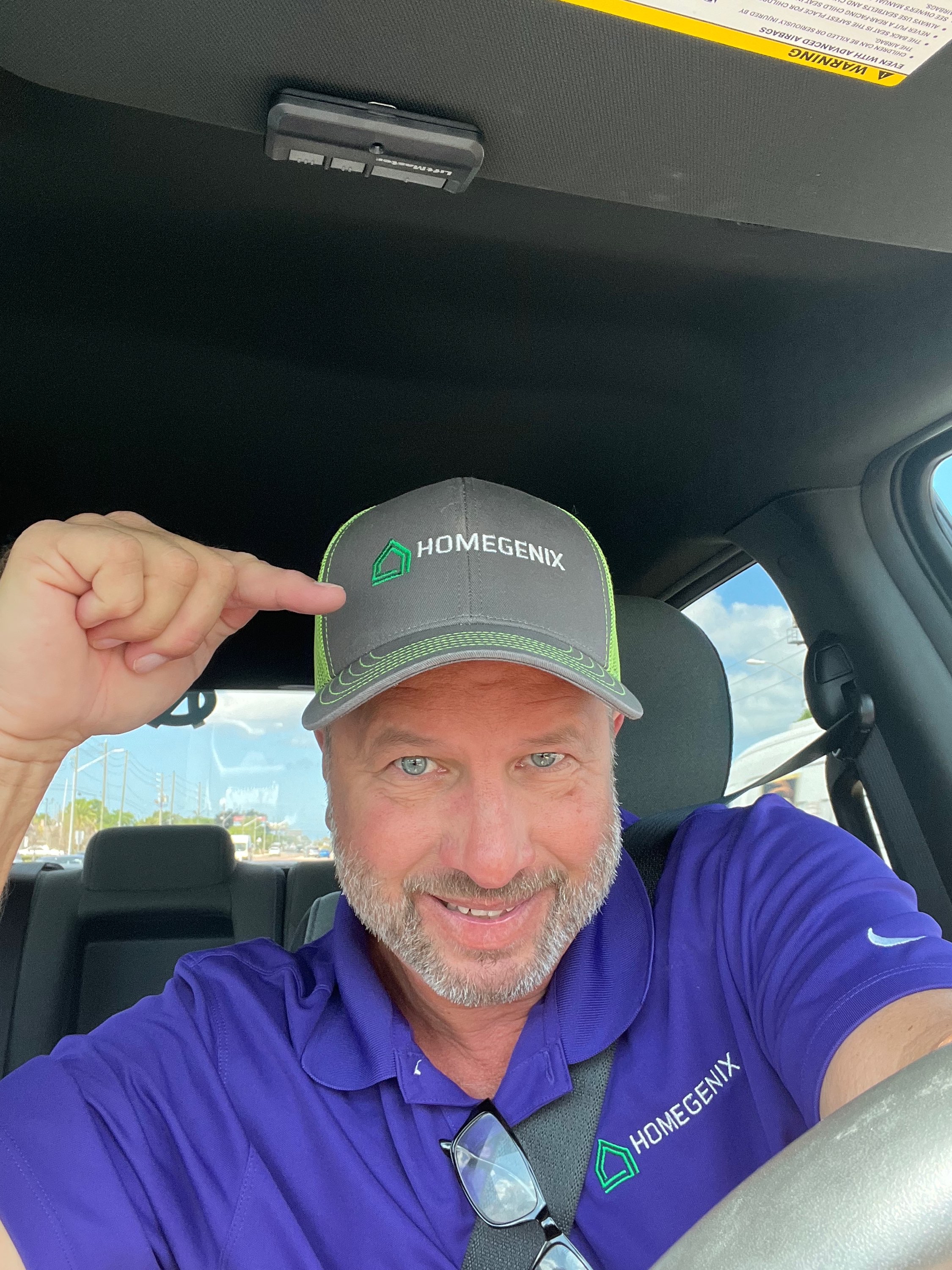
When you are about to make one of the most significant investments of your life, understanding the condition of the property is crucial. This is where home inspectors come in. They provide a detailed assessment of a home’s condition, helping you make informed decisions. As an InterNACHI certified and Google Guaranteed inspector, I offer thorough and detailed home inspection services across Seminole, FL, Pinellas, Pasco, and Hillsborough counties. This post will guide you through the essential roles of home inspectors and what you can expect during an inspection.
The Essential Roles of Home Inspectors in Your Home Buying Journey
Home inspectors play a vital role in the real estate process. Their primary job is to evaluate the physical condition of a property and identify any issues that could affect its value or safety. Here’s what you can expect from their roles:
Comprehensive Evaluation: Inspectors examine the home’s structure, systems, and components, including the roof, foundation, plumbing, electrical, HVAC, and more.
Safety Assessment: They look for potential safety hazards such as faulty wiring, mold, or carbon monoxide risks.
Detailed Reporting: After the inspection, you receive a detailed report outlining the findings, including photos and recommendations.
Expert Advice: Inspectors provide guidance on necessary repairs, maintenance tips, and potential future issues.
Peace of Mind: Their work helps you avoid costly surprises and negotiate repairs or price adjustments with sellers.
By understanding these roles, you can better appreciate the value a home inspection brings to your real estate transaction.

What Happens During a Home Inspection?
A home inspection is a systematic process that covers every major aspect of the property. Here’s a step-by-step overview of what happens during the inspection:
Exterior Inspection
The inspector starts outside, checking the roof, gutters, siding, windows, doors, and foundation. They look for signs of damage, water intrusion, or structural issues.
Interior Inspection
Inside the home, the inspector examines walls, ceilings, floors, windows, and doors. They test electrical outlets, light switches, and plumbing fixtures to ensure everything functions properly.
Systems Check
The HVAC system, water heater, electrical panel, and plumbing system are thoroughly evaluated. Inspectors check for leaks, corrosion, and operational efficiency.
Attic and Crawlspace
These often-overlooked areas are inspected for insulation quality, ventilation, moisture problems, and pest infestations.
Appliance Testing
Built-in appliances like ovens, dishwashers, and garbage disposals are tested to confirm they work as expected.
Throughout the inspection, the inspector takes notes and photographs to document any issues. The entire process usually takes 2-3 hours, depending on the size and condition of the home.

What is the Biggest Red Flag in a Home Inspection?
One of the most critical questions buyers and agents ask is: What is the biggest red flag in a home inspection? While many issues can arise, some stand out as major concerns:
Foundation Problems
Cracks, shifting, or water damage in the foundation can indicate serious structural issues. These problems are often costly to repair and can affect the home’s safety and value.
Roof Damage
A damaged or aging roof can lead to leaks and water damage inside the home. Replacing a roof is a significant expense, so this is a key red flag.
Electrical Hazards
Outdated or faulty wiring poses fire risks. Inspectors look for improper installations, overloaded circuits, and lack of grounding.
Water Damage and Mold
Signs of water intrusion or mold growth can indicate leaks or poor drainage. Mold can affect health and requires professional remediation.
HVAC System Failures
A malfunctioning heating or cooling system can be expensive to replace and may affect comfort and energy efficiency.
If any of these red flags appear in your inspection report, it’s essential to discuss them with your inspector and consider negotiating repairs or price adjustments with the seller.
How to Use Your Home Inspection Report Effectively
After the inspection, you will receive a detailed report. Here’s how to make the most of it:
Review Thoroughly
Read the report carefully and look at the photos. Understand the severity of each issue.
Ask Questions
Don’t hesitate to contact your inspector for clarification or advice on repairs and maintenance.
Prioritize Repairs
Identify which issues are urgent and which can wait. Safety hazards and structural problems should be addressed first.
Negotiate with Sellers
Use the report to request repairs or price reductions. Sellers are often willing to negotiate based on inspection findings.
Plan for Future Maintenance
Some issues may not require immediate action but should be monitored or maintained regularly.
By using your inspection report wisely, you can protect your investment and avoid unexpected costs.
Why Choose a Certified and Trusted Home Inspector?
Selecting the right home inspector is crucial. Here’s why working with a certified and trusted professional matters:
Certification and Training
Certified inspectors, like those from InterNACHI, have undergone rigorous training and adhere to strict standards.
Experience and Local Knowledge
Inspectors familiar with Seminole, Pinellas, Pasco, and Hillsborough counties understand regional building codes and common issues.
Comprehensive Services
A trusted inspector offers thorough inspections and detailed reports, ensuring no detail is overlooked.
Google Guaranteed
This badge provides additional peace of mind, showing the inspector’s commitment to quality and customer satisfaction.
Clear Communication
Professional inspectors explain their findings in simple terms and provide actionable recommendations.
Choosing a reliable inspector helps you make confident decisions and ensures your home inspection is a valuable part of your real estate journey.
By understanding the roles of home inspectors and what to expect during an inspection, you are better equipped to protect your investment. If you want to learn more about what home inspectors do, feel free to reach out. At Homegenix Home Inspections LLC, we are dedicated to providing the most trusted and reliable home inspection services in the Tampa Bay area. Let us help you find peace of mind with your next property purchase.


Comments