


Understanding Home Inspections When Buying an As-Is Property

Buying a home sold "as-is" can seem like a great deal, but it comes with risks that many buyers overlook. One of the most important steps in protecting yourself during this process is a thorough home inspection. Understanding what a home inspection involves and how it applies to an as-is purchase can save you from costly surprises and help you make an informed decision.
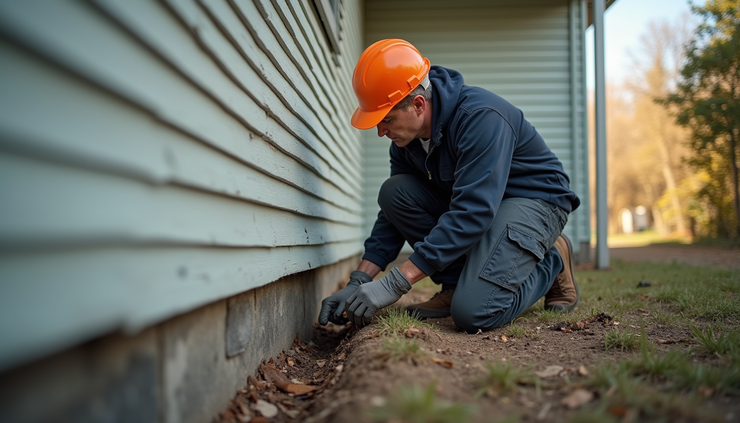
Home inspector checking foundation cracks on an as-is property
What Does Buying an As-Is Property Mean?
When a home is sold as-is, the seller is offering the property in its current condition without agreeing to make repairs or improvements. This means the buyer accepts all existing problems, visible or hidden. Sellers often use this approach for homes that need significant repairs or have issues that might deter buyers if disclosed upfront.
Key points about as-is sales:
The seller will not negotiate repairs after the inspection.
The buyer assumes responsibility for all repairs.
The price may be lower, but risks are higher.
Because of these factors, a home inspection becomes even more critical. It helps you understand exactly what you are buying and what costs you might face.
Why Home Inspections Matter for As-Is Homes
A home inspection provides a detailed assessment of the property's condition. For as-is homes, this step is essential because:
It reveals hidden defects that could be expensive to fix.
It helps you decide if the home is worth the asking price.
It gives you leverage to negotiate the price before finalizing the purchase.
It prepares you for future repairs and maintenance.
Without an inspection, you might buy a home with serious issues like structural damage, outdated electrical systems, or plumbing leaks that could cost tens of thousands of dollars to repair.
What Inspectors Look for in As-Is Homes
Home inspectors examine many aspects of a property. For as-is homes, they pay special attention to areas that often cause problems:
Structural Components
Foundation cracks or shifts
Roof condition and leaks
Walls, ceilings, and floors for damage or unevenness
Systems and Utilities
Electrical wiring and panels for safety hazards
Plumbing pipes, fixtures, and water pressure
Heating, ventilation, and air conditioning (HVAC) systems
Interior and Exterior Features
Windows and doors for proper sealing and function
Signs of water damage or mold
Condition of siding, gutters, and drainage
Inspectors provide a written report with photos and recommendations. This report is your roadmap to understanding the home's condition.
How to Choose the Right Home Inspector
Not all inspectors are equal. For an as-is purchase, you want someone experienced and thorough. Here are tips for selecting the right professional:
Look for licensed and certified inspectors.
Check reviews and ask for references.
Choose someone familiar with older or fixer-upper homes.
Ask if they provide a detailed, easy-to-understand report.
Confirm they inspect all major systems and structural elements.
A good inspector will spend several hours examining the property and answering your questions.
What to Do After the Inspection
Once you receive the inspection report, take these steps:
Review the findings carefully.
Prioritize issues by severity and cost.
Get estimates from contractors for major repairs.
Decide if you want to proceed with the purchase.
Use the report to negotiate a lower price if possible.
Plan your budget for repairs and improvements.
Remember, buying as-is means you accept the home's condition, so understanding the full scope of repairs is crucial.
Common Issues Found in As-Is Homes
Here are some typical problems uncovered during inspections of as-is properties:
Foundation problems: Cracks, settling, or water intrusion.
Roof damage: Missing shingles, leaks, or aging materials.
Electrical hazards: Outdated wiring, overloaded circuits.
Plumbing leaks: Corroded pipes, faulty fixtures.
Pest infestations: Termites or rodents causing damage.
Mold and water damage: Hidden behind walls or under floors.
Knowing these common issues helps you focus on what to look for during your inspection.
Tips for Buyers Considering As-Is Homes
Always get a professional inspection before buying.
Don’t skip specialized inspections if needed (e.g., termite, radon).
Be realistic about repair costs and timelines.
Factor repairs into your overall budget.
Consider your ability to manage or hire out repairs.
Understand that some issues may not be fixable within your budget.
Buying an as-is home can be rewarding if you are prepared and informed.
Buying a home as-is means accepting its flaws and challenges. A thorough home inspection is your best tool to uncover hidden problems and make a smart investment. By choosing a qualified inspector and carefully reviewing their report, you can avoid costly surprises and confidently move forward with your purchase. Take the time to understand the home's condition, plan for repairs, and negotiate wisely. This approach turns an as-is property from a risk into an opportunity.
Call David at Homegenix home Inspections LLC
727-282-4047


Comments