


Common Crawl Space Issues Home Inspectors Discover in Mobile Homes

Mobile homes often have crawl spaces beneath them that serve as access points for plumbing, electrical wiring, and structural components. While these spaces are essential for maintenance, they can also hide a variety of problems that affect the safety, comfort, and value of the home. Home inspectors frequently encounter several recurring issues in these crawl spaces that mobile homeowners should be aware of.
Understanding these common problems can help homeowners take proactive steps to maintain their homes and avoid costly repairs down the line.
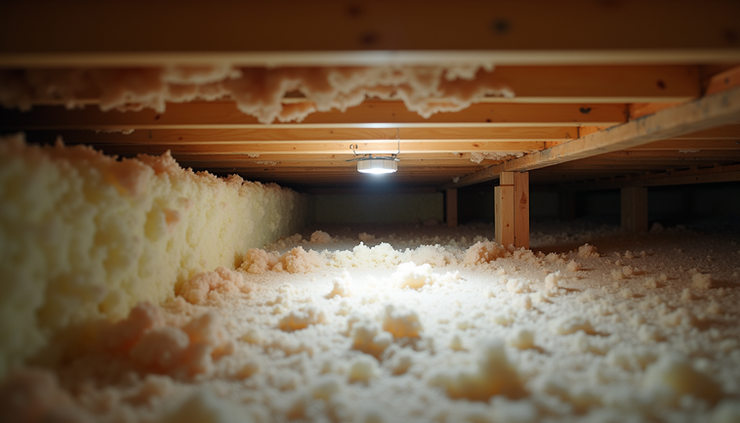
Moisture and Water Intrusion in Mobile Home Crawl Spaces
One of the most frequent concerns in mobile home crawl spaces is moisture buildup. Crawl spaces are often poorly ventilated and can trap humidity, leading to damp conditions. Water intrusion may come from several sources:
Poor drainage around the home: If the ground slopes toward the mobile home or gutters are clogged, rainwater can pool near the foundation and seep into the crawl space.
Leaking plumbing pipes: Mobile homes often have plumbing lines running through the crawl space. Even small leaks can raise moisture levels.
Condensation: Warm air meeting cooler surfaces in the crawl space can cause condensation, especially if vapor barriers are missing or damaged.
Excess moisture creates an environment conducive to mold growth, wood rot, and pest infestations. Inspectors often find wet insulation, musty odors, and visible mold patches during their evaluations.
How to Address Moisture Issues
Ensure proper grading around the home to direct water away.
Install or repair gutters and downspouts.
Use a vapor barrier on the ground to reduce soil moisture.
Seal plumbing leaks promptly.
Consider installing a dehumidifier or improving ventilation.
Structural Damage and Support Problems
The crawl space supports the entire mobile home, so any damage to its structure can have serious consequences. Inspectors frequently find:
Rotting or damaged wooden beams: Moisture and pests can weaken support beams, causing sagging floors or uneven settling.
Improper or missing piers: Mobile homes rest on piers or blocks. If these are missing, cracked, or shifted, the home’s stability is compromised.
Corroded metal supports: Metal components exposed to moisture may rust, reducing their strength.
Structural issues often develop slowly but can lead to costly repairs if ignored. Signs include uneven floors, cracks in walls, or doors that don’t close properly.
Preventing Structural Problems
Regularly inspect the crawl space for signs of damage.
Replace rotted wood and repair or add piers as needed.
Use treated lumber and corrosion-resistant materials.
Maintain proper moisture control to protect structural elements.
Pest Infestations
Crawl spaces provide shelter for various pests that can damage the home or create health risks. Common infestations include:
Termites: These insects feed on wood and can cause severe structural damage.
Rodents: Mice and rats often nest in crawl spaces, chewing wires and insulation.
Insects and spiders: Moist environments attract cockroaches, silverfish, and spiders.
Inspectors look for signs such as droppings, gnaw marks, nests, or damaged materials. Pest infestations not only harm the home but can also affect indoor air quality.
Managing Pest Problems
Seal gaps and cracks that allow pest entry.
Remove debris and standing water from the crawl space.
Use pest control treatments when necessary.
Keep insulation intact and dry to discourage nesting.
Insulation and Energy Efficiency Concerns
Many mobile homes have inadequate or damaged insulation in the crawl space, leading to energy loss and higher utility bills. Inspectors often find:
Missing or compressed insulation: This reduces the crawl space’s ability to regulate temperature.
Wet insulation: Moisture damages insulation, making it ineffective.
Improper installation: Insulation that does not cover all areas or is installed incorrectly can leave cold spots.
Improving insulation in the crawl space helps maintain consistent indoor temperatures and reduces heating and cooling costs.
Tips for Improving Insulation
Replace wet or damaged insulation with moisture-resistant materials.
Install insulation on the walls of the crawl space rather than the floor above.
Use a vapor barrier to protect insulation from ground moisture.
Seal air leaks around plumbing and wiring penetrations.
Electrical and Plumbing Issues
Crawl spaces often contain electrical wiring and plumbing lines that can deteriorate or become unsafe over time. Inspectors frequently note:
Exposed or damaged wiring: This poses fire hazards and may violate building codes.
Leaking or corroded pipes: Plumbing problems can cause water damage and increase moisture.
Improper repairs or DIY fixes: Unprofessional work can lead to safety risks.
Regular inspections help identify these issues early, preventing emergencies and costly repairs.
Maintaining Electrical and Plumbing Systems
Hire licensed professionals for repairs and upgrades.
Replace damaged wiring and pipes promptly.
Keep crawl space dry to protect electrical components.
Ensure all work complies with local codes and standards.
Ventilation Problems
Proper ventilation in crawl spaces is critical to controlling moisture and maintaining air quality. Inspectors find that many mobile homes have:
Blocked or missing vents: This restricts airflow and traps humidity.
Inadequate vent size or placement: Poor design limits effectiveness.
Closed vents without alternative ventilation: Some homeowners seal vents to keep out pests but fail to provide other ventilation methods.
Without adequate ventilation, moisture and mold problems worsen, and indoor air quality can decline.
Improving Crawl Space Ventilation
Clear debris from existing vents.
Add additional vents if airflow is insufficient.
Consider mechanical ventilation systems if natural ventilation is inadequate.
Balance pest control with ventilation needs.
Signs of Mold and Mildew
Mold and mildew thrive in damp crawl spaces and can spread spores into the home’s living areas. Inspectors often detect:
Visible mold growth on wood, insulation, or ductwork.
Musty odors indicating hidden mold.
Health complaints from occupants such as allergies or respiratory issues.
Mold remediation requires addressing the source of moisture and removing contaminated materials.
Mold Prevention Strategies
Control moisture through drainage, vapor barriers, and ventilation.
Remove moldy materials safely using protective gear.
Use mold-resistant products during repairs.
Monitor crawl space conditions regularly.
Mobile home crawl spaces often hide problems that affect the entire home’s safety, comfort, and value. Moisture, structural damage, pests, insulation issues, and poor ventilation are the most common concerns home inspectors find. Homeowners who understand these issues can take steps to maintain their crawl spaces and protect their investment.


Comments