


Why Choose Homegenix Home Inspections for Clear Easy to Understand Reports

A home inspection report should not feel like homework. When a buyer, seller, or homeowner opens it, the findings should make sense quickly. The report should explain what was inspected, what matters most, and what to do next without burying the reader in vague notes or technical language.
That is where Homegenix Home Inspections stands out. The value is not only in walking through the property and identifying concerns. The value is also in turning those findings into a report that is clear, organized, and easy to act on.
A confusing inspection report can slow down decisions. It can create stress during a real estate transaction. It can also cause small issues to be misunderstood or serious issues to be missed. A clear report helps everyone see the same facts, ask better questions, and plan their next step with confidence.

Clear reports help remove guesswork from the inspection process
Buying or maintaining a home comes with enough uncertainty. The inspection report should reduce that uncertainty, not add to it.
A strong report answers basic questions in plain language:
What was checked?
What condition was it in?
Was there a concern?
Why does it matter?
What should happen next?
Homegenix Home Inspections focuses on making inspection results easier to understand, especially for readers who do not work in construction, real estate, plumbing, roofing, or electrical trades. That matters because most clients are not looking for a technical manual. They are looking for a practical explanation of the home’s condition.
Clear reporting is especially useful when several parties need to review the same information. Buyers, sellers, agents, repair contractors, and lenders may all look at the report for different reasons. When the language is direct and the findings are well organized, fewer details get lost in translation.
A good report does not need to oversimplify the truth. It should still be accurate. The difference is that the information is presented in a way a real person can follow.
For example, instead of leaving a reader with a phrase like “improper grading noted,” a clearer report explains that soil near the home may be sloping toward the foundation, which can direct water toward the structure. That simple explanation makes the issue easier to understand and easier to discuss.
The best reports separate urgent concerns from routine notes
Not every finding carries the same weight. Some items may need prompt attention. Others may be minor maintenance tasks. Some may simply be observations for future planning.
A report that treats every item the same can make a home look more alarming than it is. It can also make serious findings blend in with cosmetic or routine issues.
Homegenix reports are built to help readers see what matters most. This means findings should be presented in a way that helps prioritize.
Common report categories may include:
Safety concerns
Items that could affect the health or safety of occupants.
Repair recommendations
Defects or damaged components that may need professional attention.
Maintenance items
Normal upkeep tasks that help protect the home over time.
Monitoring suggestions
Conditions that may not require immediate repair but should be watched.
This type of organization helps clients focus. Instead of scanning pages of notes and trying to decide what is serious, the report gives structure to the decision-making process.
That structure can be helpful during real estate negotiations, but it is just as useful for homeowners who are not buying or selling. A clear inspection report can become a practical home maintenance guide.
Photos make findings easier to understand
A written explanation is useful, but a photo can make the issue much clearer. When a report includes relevant images, readers can connect the recommendation to a real location in the home.
Photos are especially helpful for areas that clients may not see during a normal walkthrough, such as:
Attics
Crawl spaces
Roof edges
Electrical panels
Plumbing under sinks
HVAC equipment
Foundation areas
Exterior drainage points
A good inspection photo does more than show that something exists. It helps identify the concern. A useful report may include a close-up image, a wider location photo, or a clear marker that draws attention to the issue.
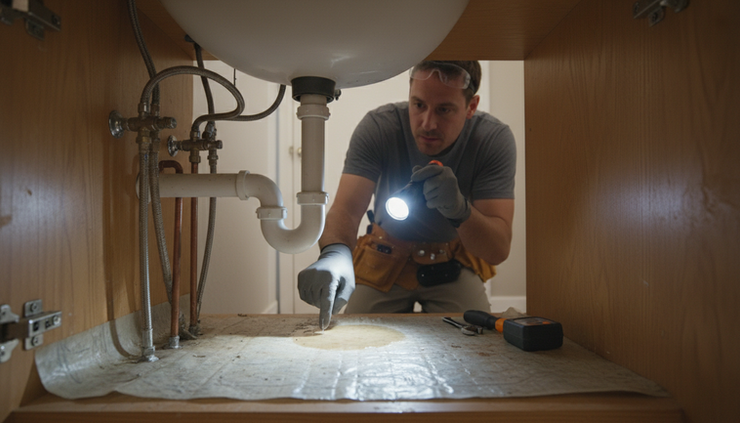
For example, if a report notes a leak under a sink, a photo can show the actual pipe connection, stain, or moisture pattern. If the report identifies damaged shingles, the photo can show the affected area rather than leaving the reader to imagine the problem.
This is one reason clear inspection reports are so valuable. They do not ask the reader to guess. They show the condition, explain it, and place it in context.
Plain language builds trust
Technical knowledge matters in a home inspection, but communication matters too. A report full of trade terms can make the inspector sound knowledgeable, yet still leave the client confused.
Plain language does not mean casual or careless. It means the report uses direct wording that respects the reader’s time.
A clear report avoids unnecessary jargon when a simpler phrase will do. If a technical term is needed, it should be explained. This makes the report useful to both experienced readers and first-time homebuyers.
Compare these two styles:
“GFCI protection absent at required receptacle locations.”
“Evidence of microbial-like growth observed.”
“Water intrusion indicators present.”
“Some outlets near water sources did not appear to have GFCI protection, which is designed to reduce shock risk.”
“Dark staining was observed in this area. Further evaluation may be needed to confirm the source and appropriate cleanup.”
“Stains and moisture signs suggest water may be entering or has entered this area.”
The second version does not hide the issue. It makes the issue easier to understand.
That matters because inspection reports often get read under pressure. A buyer may be working within a contract deadline. A seller may need to decide whether to repair something before listing. A homeowner may be planning a budget. In each case, clear language supports better decisions.
A report should help clients take the next step
An inspection report is not just a record of defects. It should help the reader understand what to do with the information.
Homegenix Home Inspections for clear easy to understand reports is a smart choice because the report is designed to support action. That does not mean the inspector replaces licensed contractors, engineers, electricians, roofers, or plumbers. It means the report helps identify when further evaluation or repair may be appropriate.
A useful recommendation is specific enough to guide the next step. For example:
Contact a licensed electrician for evaluation of unsafe wiring conditions.
Have a qualified roofing contractor review damaged or missing shingles.
Repair active plumbing leaks to prevent further moisture damage.
Improve grading or drainage where water appears to move toward the foundation.
Service HVAC equipment if signs of poor operation are found.
These recommendations are more helpful than vague phrases like “repair as needed.” They tell the reader what kind of professional may be involved and why the finding matters.
That kind of clarity can save time. It helps clients ask better questions when calling contractors. It also helps agents and sellers understand what items may need attention before moving forward.
Easy-to-read reports are valuable long after the inspection
Many people think of a home inspection report as something used only during a purchase. It is true that inspection reports are often important during real estate transactions, but they can also serve as a long-term reference.
A well-written report can help homeowners:
Plan seasonal maintenance
Create a repair budget
Track small issues before they grow
Understand major systems in the home
Keep a record of observed conditions
Share relevant findings with repair professionals
This long-term value depends on clarity. If a homeowner opens the report months later, the notes should still make sense. The photos, descriptions, and recommendations should be easy to connect to real areas of the house.

A confusing report may get filed away and forgotten. A clear report can become a guide for caring for the home.
For example, a homeowner may remember that the water heater is older, the attic needs better ventilation, or the exterior caulking should be repaired. Even if those items are not emergencies, they become part of a smarter maintenance plan.
Clear reporting supports better real estate conversations
Real estate decisions can become emotional. A home is personal, and inspection findings can create tension if they are unclear.
A clear report helps keep the conversation grounded in facts. Instead of arguing over vague concerns, everyone can refer to the same documented findings.
For buyers, this can help with:
Understanding the actual condition of the home
Deciding which items matter most
Discussing repair requests with an agent
Planning future expenses after closing
For sellers, this can help with:
Seeing potential concerns before listing
Choosing which repairs to make in advance
Reducing surprises during a buyer’s inspection
Responding to findings with better information
For homeowners, this can help with:
Prioritizing repairs
Scheduling contractors
Preventing overlooked maintenance
Tracking changes in the property over time
The report does not make decisions for anyone. It gives people better information so they can make decisions with less confusion.
What makes an inspection report easy to understand
Not all reports are created the same way. Some reports are long but not helpful. Others are brief but lack detail. The goal is balance.
A strong home inspection report usually includes several key qualities.
It is organized by area or system
Readers should be able to find information quickly. Sections for roofing, exterior, structure, plumbing, electrical, heating, cooling, interior, attic, and other home systems make the report easier to scan.
It uses direct descriptions
A finding should describe the condition clearly. If something is damaged, missing, leaking, loose, cracked, corroded, or not functioning as intended, the report should say so plainly.
It explains the concern
A report should not only name the issue. It should explain why the issue matters. A loose handrail, for example, is not just a loose handrail. It may increase fall risk.
It includes helpful photos
Photos should support the written finding. They should make the condition easier to locate and understand.
It gives practical recommendations
The next step should be clear. If a specialist should evaluate the issue, the report should say that. If maintenance is needed, the report should make that clear too.
It avoids alarmist wording
Some homes have many minor findings. Older homes often have wear, repairs, and updates from different periods. A clear report should be honest without making every concern sound like a crisis.
Homegenix focuses on clarity from inspection to report
The inspection itself matters, but the final report is what most clients return to again and again. That is why report quality matters so much.
Homegenix Home Inspections places emphasis on communication that fits real life. Clients need more than a list of observations. They need information they can read, understand, and use.
A clear report can help reduce stress because it turns unknowns into documented facts. It gives shape to the condition of the home. It provides photos, explanations, and practical next steps. Most of all, it helps the reader feel less lost when making important property decisions.
That kind of clarity is useful for first-time buyers, experienced homeowners, sellers preparing for the market, and anyone who wants a better understanding of a property.

Choosing an inspection company is also choosing the report you will rely on
Many people focus on scheduling, price, or availability when choosing a home inspector. Those things matter, but the report should be part of the decision too.
After the inspection is finished, the report becomes the main reference. It is what gets reviewed during negotiations. It is what gets shared with contractors. It is what homeowners may revisit months or years later.
Before choosing an inspection company, it is fair to ask:
Will the report be easy to read?
Will findings include photos?
Will recommendations be clear?
Will serious concerns be easy to identify?
Will the language make sense to someone who is not a contractor?
Homegenix Home Inspections is a strong choice when clear communication is a priority. The goal is not to overwhelm clients with technical details. The goal is to provide a useful, accurate report that helps people understand the home and take the next step with confidence.
A home inspection should bring clarity. The report should do the same. When the findings are easy to understand, the whole process becomes more useful, less stressful, and far more practical.
Call David at Homegenix Home Inspections LLC
727-282-4047


Comments