


Detailed Home Inspection Reports in Seminole FL and Tampa Bay Area

A home can look move-in ready and still hide problems behind the walls, under the roof, inside the attic, or below the sink. That is why the inspection report matters so much. The walk-through is important, but the report is what buyers, sellers, agents, and homeowners use after the appointment ends.
Homegenix Home Inspections LLC provides detailed home inspection reports in Seminole FL and the Tampa Bay area, helping clients understand the condition of a property with clear findings, useful photos, and practical explanations. A good report does more than list defects. It tells the story of the home in a way that supports better decisions.
Whether the property is a single-family home in Seminole, a condo near the coast, or an older house elsewhere in Tampa Bay, a clear inspection report can reduce confusion and help prevent surprises.
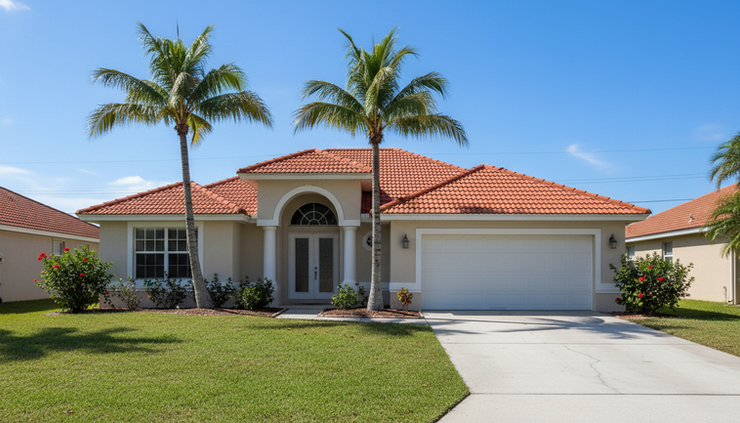
Why the inspection report matters after the appointment
During a home inspection, a lot happens in a short amount of time. The inspector checks the roof, exterior, foundation areas, electrical system, plumbing, HVAC equipment, attic, interior rooms, appliances, built-in components, and more. Even when clients attend the inspection, it can be hard to remember every detail.
The report becomes the main reference point.
A detailed inspection report helps answer questions like:
What concerns need attention soon?
Which items are safety-related?
What systems may need further evaluation?
What appears to be working as intended?
What should be monitored over time?
What can be discussed during the real estate process?
For buyers, the report can help shape repair requests or future maintenance plans. For sellers, it can identify issues before listing. For homeowners, it can serve as a home health check, especially before major repairs, upgrades, or insurance-related decisions.
A vague report leaves too much room for guesswork. A useful report provides context.
What makes a home inspection report detailed
Not all reports are equal. Some are hard to read, filled with generic language, or missing the visual proof needed to understand a concern. A detailed report should be clear enough for someone without construction experience, while still giving enough information for a contractor, agent, or specialist to understand the issue.
Homegenix Home Inspections LLC focuses on reports that are practical, organized, and easy to follow.
Clear descriptions of the findings
A good report should explain what the inspector observed in plain language. Instead of only saying “defective,” the report should describe the condition.
For example, a stronger finding might explain that an exterior outlet lacks proper protection, a plumbing drain shows signs of leakage, or roof covering materials show wear that should be reviewed further.
That type of wording helps clients know what was found and why it matters.
Photos that show the condition
Photos are one of the most useful parts of a modern inspection report. They let clients revisit the property without relying on memory.
A report may include photos of:
Roof materials and visible wear
Attic conditions
Electrical panels
Plumbing components
HVAC equipment
Moisture stains
Damaged surfaces
Safety concerns
Exterior drainage issues
Good photos should support the written finding. They should not be random or decorative. When possible, photos should point directly to the condition being reported.
Notes on safety and priority
Some findings carry more urgency than others. A missing GFCI outlet near water is different from a loose cabinet handle. Both may be noted, but they do not carry the same weight.
A helpful inspection report separates minor maintenance items from conditions that may affect safety, performance, or long-term cost.
This does not mean the inspector tells a client whether to buy the home. The role of the inspection report is to provide information. The decision belongs to the client.
Recommendations for next steps
A detailed report should often include recommendations. These may suggest repair by a qualified contractor, further evaluation by a licensed specialist, routine maintenance, or monitoring.
For example, if the inspector sees signs of active roof leakage, the report may recommend evaluation by a qualified roofing contractor. If the electrical panel has conditions outside the inspection scope, the report may recommend review by a licensed electrician.
Good recommendations reduce uncertainty.
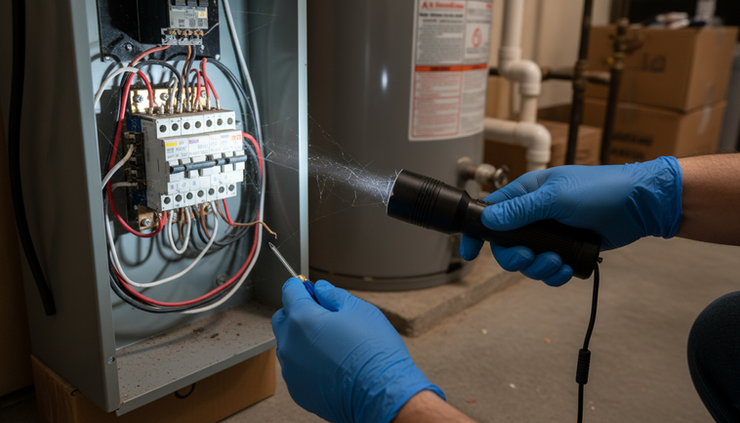
Why local knowledge matters in Seminole and Tampa Bay
Homes in Seminole and across Tampa Bay face conditions that are common to Florida’s Gulf Coast region. Heat, humidity, salty air, heavy rain, tropical storms, and strong sun can all affect building materials over time.
A local inspection report should reflect the environment around the property.
Moisture is a major concern
Florida homes deal with moisture year-round. Rainwater, irrigation systems, humidity, and poor drainage can all contribute to damage. Inspection reports in the Tampa Bay area often pay close attention to moisture-related clues, such as:
Staining near ceilings or walls
Wood deterioration
Soft exterior trim
Damaged caulking
Overflowing gutters
Improper grading near the foundation
Signs of past or current leaks
Moisture concerns can range from simple maintenance to more serious conditions. A clear report helps separate one from the other.
Roofs take a lot of wear
Florida roofs work hard. Sun exposure, wind, rain, and age can all shorten the useful life of roof materials. Whether the home has asphalt shingles, tile, metal, or another covering, the inspection report should describe visible conditions at the time of the inspection.
The report may note cracked tiles, missing shingles, deteriorated flashing, worn sealant, debris, low-slope roof concerns, or evidence of previous repairs.
Roof findings often matter during insurance reviews and real estate negotiations, so clear documentation is valuable.
Older homes need careful reporting
Seminole and Tampa Bay include homes from many building eras. An older home can be well maintained, but it may also have aging systems, outdated materials, or past repairs that require a closer look.
Inspection reports for older homes may include notes about:
Electrical panel age and visible defects
Plumbing material and condition
HVAC age and performance concerns
Attic ventilation
Settlement cracks
Window and door operation
Past remodeling work
The goal is not to make an older home seem risky. The goal is to help clients understand what exists and what may need attention.
What clients should expect from Homegenix Home Inspections LLC
Homegenix Home Inspections LLC offers inspection reporting that is designed to be useful after the inspector leaves the property. The report should help clients review the home calmly, share information with needed parties, and plan next steps.
A strong inspection experience often includes three parts.
A thorough inspection process
The report begins with the inspection itself. An inspector cannot document what was not checked. A careful process includes visible and accessible components of the home, based on the inspection standards that apply.
The inspection is visual and non-invasive. That means inspectors do not open walls, move heavy furniture, dismantle systems, or guarantee hidden conditions. Still, a trained inspector can identify visible signs that may point to defects, safety concerns, maintenance needs, or areas that require expert follow-up.
A report that is easy to navigate
An inspection report should not feel like a confusing technical file. It should be organized by system or area, with headings that make sense.
Common sections may include:
Roof
Exterior
Structure
Electrical
Plumbing
Heating and cooling
Interior
Attic
Garage
Appliances
Site and drainage
When a client can quickly find the electrical section, roof section, or plumbing findings, the report becomes far more useful.
Support for better conversations
Real estate transactions often move quickly. Buyers may have limited time to review findings and decide what to do next. Sellers may need to understand whether a reported item is minor or more significant. Agents may need clear documentation to communicate with all parties.
A well-written report helps those conversations stay focused on facts.
It gives everyone a clearer view of the home’s condition at the time of inspection.

The parts of a report that deserve extra attention
Every home is different, but several report areas often deserve a closer read. These sections can affect safety, comfort, insurance, repair planning, and long-term ownership costs.
Electrical findings
Electrical issues can be simple or serious. Common report notes may include missing cover plates, double-tapped breakers, non-functioning outlets, exposed wiring, improper GFCI protection, or outdated components.
Electrical findings should be taken seriously because they can affect safety. If the report recommends further evaluation by a licensed electrician, that recommendation should not be ignored.
Plumbing findings
Plumbing issues can lead to water damage if left unresolved. A report may document active leaks, corrosion, improper drainage, loose fixtures, slow drains, water heater concerns, or missing safety components.
In Florida homes, water heaters, supply valves, and under-sink plumbing deserve close attention because small leaks can cause damage over time.
HVAC findings
Cooling matters in the Tampa Bay area. A home’s HVAC system affects comfort, energy use, and indoor conditions. The report may note the system’s visible condition, age information when available, filter condition, temperature readings, condensate drain concerns, or signs that service is needed.
An inspection is not the same as a full HVAC service visit, but it can help identify when a licensed HVAC contractor should take a closer look.
Roof and attic findings
Roof and attic sections often work together. A roof may show exterior wear, while the attic may show signs of leakage, ventilation issues, insulation gaps, or staining.
A detailed report connects these observations when appropriate. For example, staining in the attic below a roof penetration may support a recommendation for roof evaluation.
Exterior and drainage findings
The outside of the home helps protect everything inside. Exterior walls, grading, gutters, downspouts, doors, windows, decks, porches, driveways, and walkways all matter.
In Florida, drainage is especially important. Water should move away from the structure when possible. A report may note areas where grading, landscaping, or hard surfaces appear to direct water toward the home.
How buyers can use the report without feeling overwhelmed
A detailed report can be long. That does not mean the home is bad. Even well-maintained homes usually have findings.
The best way to review a report is to sort items into practical groups.
Safety concerns
These deserve prompt attention. Examples may include electrical hazards, missing safety devices, trip hazards, or water heater safety issues.
Major repair or specialist review items
These may involve roofing, structural concerns, HVAC issues, active leaks, significant plumbing defects, or electrical panel concerns.
Maintenance items
These are common ownership tasks. Examples may include sealing gaps, trimming vegetation, cleaning gutters, replacing filters, caulking openings, or servicing equipment.
Monitoring items
Some conditions may not require immediate repair, but they should be watched. Minor settlement cracks, older components, or past repair areas may fall into this group.
This approach helps clients focus on what matters most instead of reacting to every line with the same level of concern.
How sellers benefit from inspection reports before listing
A pre-listing inspection can help sellers identify problems before buyers find them. This can reduce last-minute stress and give sellers more control over repairs.
With a detailed report, sellers can:
Fix issues before the home goes on the market
Gather contractor estimates in advance
Disclose known conditions more clearly
Reduce surprises during the buyer’s inspection
Present the home with more confidence
A pre-listing inspection does not guarantee a perfect transaction. It can, though, make the process more transparent.
For homes in Seminole and the Tampa Bay area, this can be especially helpful when the home has older systems, a roof near the end of its expected service life, or visible maintenance needs.

Good reporting turns findings into a plan
The best inspection reports do not create panic. They create clarity.
A clear report shows what the inspector observed, explains why it matters, includes photos when helpful, and recommends next steps when needed. That gives clients a practical way to move from uncertainty to a plan.
Homegenix Home Inspections LLC serves Seminole, FL and the Tampa Bay area with detailed home inspection reports designed to be read, understood, and used. For buyers, sellers, and homeowners, that level of detail can make the difference between guessing and making informed decisions.
A home inspection cannot predict every future problem, but a strong report can reveal the visible condition of the property today. That is the information people need when a home is one of the biggest decisions on the table.
Call David at Homegenix Home Inspections LLC
727-282-4047


Comments